- Jan 1, 2025
Hydration, Sleep, and the Science of Better Health
- Jordan Coughlin
- 0 comments

Hydration and sleep are not just daily habits; they are the foundations of human survival and health. Without food, the human body can endure for weeks—up to 61 days, as evidenced by hunger strikes. But without water, survival is limited to mere days. Dehydration, even at mild levels, can impair cognitive performance, reduce muscle endurance, and cause symptoms like fatigue, dizziness, and lack of focus. Severe dehydration, losing more than 8% of body weight, can be fatal.
Water isn’t the only beverage with health implications. A Beverage Guidance Panel ranked drinks by their health impact, placing water first, while soda came last. Even popular beverages like milk and beer were rated poorly due to associations with health risks like prostate and ovarian cancer. Tea and coffee, consumed without added sugars or creamers, offer notable benefits, with tea standing out for its rich polyphenols like EGCG, which exhibit antioxidant, anticancer, and neuroprotective effects.

Sleep is just as critical. Studies show that sleeping 7-8 hours per night minimizes the risk of cardiovascular disease, metabolic disorders, and even some cancers. Conversely, short sleep (less than six hours) is linked to increased risks of obesity, diabetes, and heart disease. Poor sleep alters hormone levels, increasing hunger (via ghrelin) and reducing satiety (via leptin), leading to higher calorie consumption and weight gain. Sleep consistency also matters: irregular schedules can cause “social jetlag,” disrupting circadian rhythms and increasing health risks.

Interestingly, diet and sleep are interconnected. Fiber-rich plant-based diets improve sleep quality by increasing slow-wave sleep, thanks to their anti-inflammatory and melatonin-boosting properties. Plant-based diets are also linked to reduced risks of obstructive sleep apnea (OSA), a condition affecting one billion people worldwide and a major contributor to cardiovascular and metabolic diseases. Moreover, shifting to a plant-based diet may boost your metabolism, burning more calories even while you sleep.
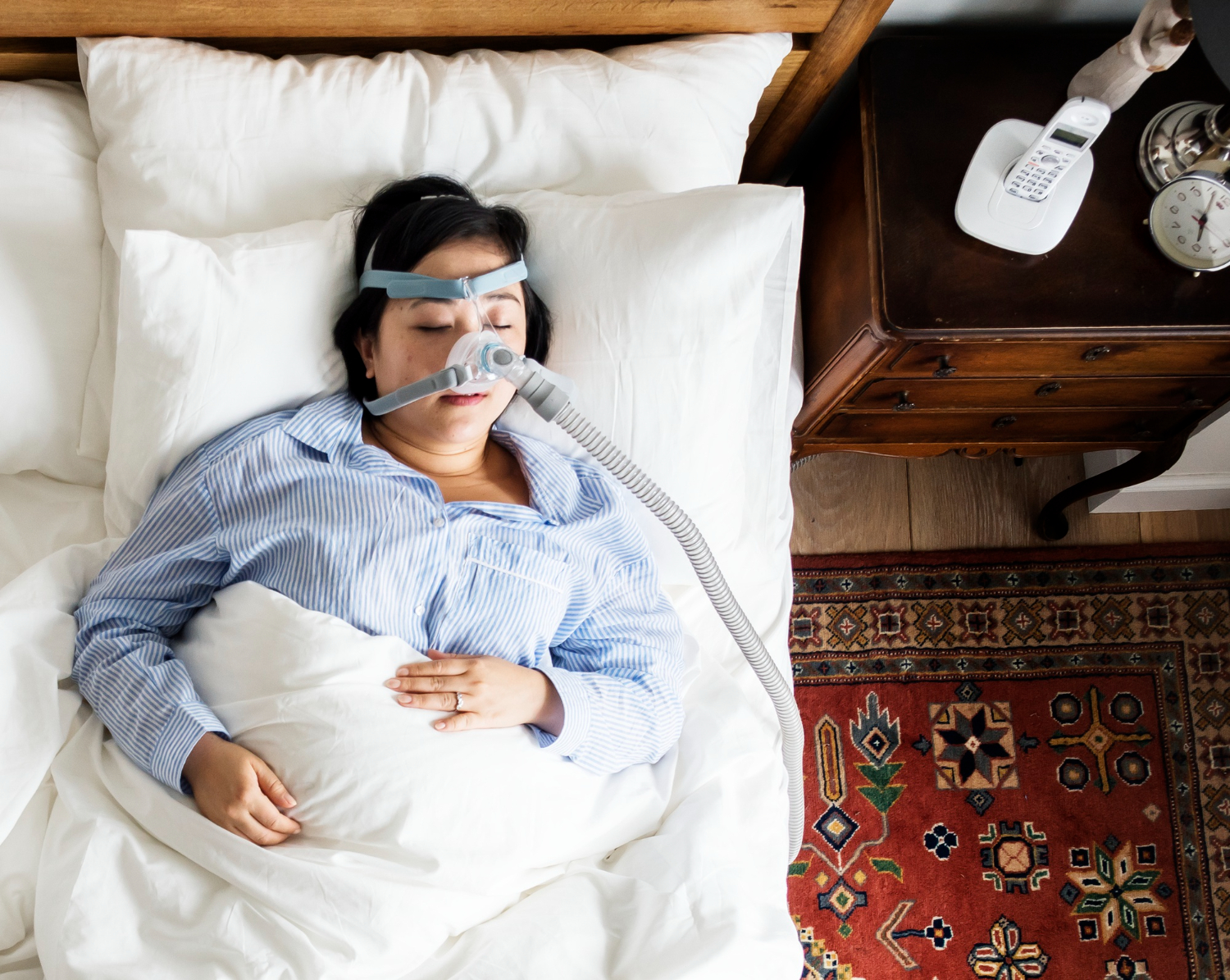
These statistics and facts underline how hydration, mindful beverage choices, and consistent sleep routines can transform your health.
If you’re ready to incorporate these strategies into your life, my No Nonsense Nutrition Program provides the tools, knowledge, and support to make it happen. This 8-week course goes beyond the basics, integrating hydration and sleep optimization with plant-based nutrition to enhance energy, metabolism, and overall well-being.
Take control of your health today. Visit No Nonsense Nutrition to learn more and start your transformation.