No Nonsense Nutrition/No Nonsense Nutrition Course

  • $99

No Nonsense Nutrition Course

  • Course
  • 132 Lessons
  • 183-day access

The No Nonsense Nutrition Course gives you science-backed guidance without the fluff. Follow the Handbook or watch the lessons showing real studies—no guesswork. Use the simple checklist if you're short on time. Complete it at your own pace, repeat it anytime within 6 months, and build a framework that fits your life.

Contents

Welcome & The No Nonsense Approach

The 2-Week No Nonsense Nutrition Course

Cut through the confusion and take control of your health—on your terms.

This science-backed, self-led course distills over 220 studies into practical, easy-to-follow guidance, so you don’t have to waste time sifting through conflicting advice. You’ll see the actual research behind every lesson—no need to take anyone’s word for it.

Prefer reading over watching? No problem. You’ll also get a 100-page Handbook covering everything in the course. If you’re short on time, there’s a simple checklist outlining exactly what you need to do to succeed.

Flexible & 6 Months' Access – It’s a 14-day course, but you can complete it at your own pace, repeat it forever, or use it anytime you need a reset—whether that’s after an indulgent weekend, a weeklong holiday, or an "accidental" deep dive into the dessert menu.

No One-Size-Fits-All Plan – You don’t need another restrictive diet. You need a framework that adapts to your goals, lifestyle, and preferences. Pick and choose the modules that are most relevant to you.

What You’ll Learn:

✔️ Fibre & Phytonutrients – The Missing Pieces in Your Diet
✔️ SOS – Why Salt, Oil & Sugar Are Holding You Back
✔️ Hydration: The Foundation of Health
✔️ Sleep: The Ultimate Recovery Tool
✔️ Carbohydrates: Fueling Your Body the Right Way
✔️ Protein: Beyond the Hype
✔️ Nutrients That Matter: Essential & Overlooked
✔️ Fueling Peak Performance with a Plant-Based Diet
✔️ Optimizing Brain Power with a Plant-Based Diet
✔️ Vitamin G: The Power of Green Space
✔️ Smart Weight Loss: The Power of Plant-Based Eating
✔️ Optimizing Body Composition with Smart Nutrition
✔️ The Evolution of the Human Diet: Ancestral Wisdom for Modern Health

You’ll also get access to exclusive meal planning software, dietitian-approved meal plans, and tools to simplify healthy eating—without gimmicks or calorie counting.

It’s time to stop guessing and start seeing real, lasting results.
Why This Course Exists & Why It Works
What This Course Entails
Call to Action: Get Started with No Nonsense Meal Planning

Why a Whole-Food Plant-Based Diet?

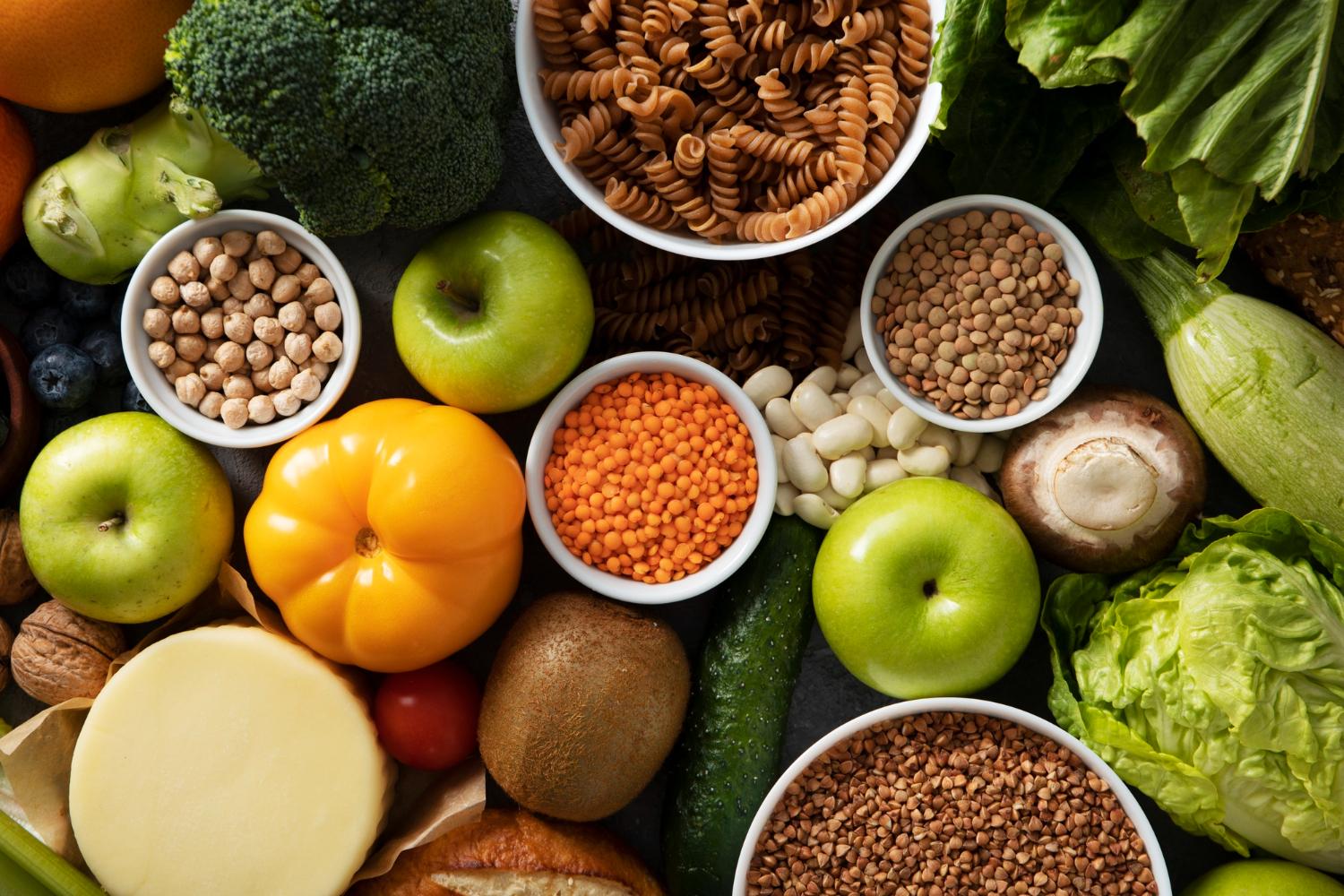
A whole-food plant-based (WFPB) diet is rooted in both health science and sustainability. Unlike restrictive diets, this approach focuses on nutrient-dense, minimally processed plant foods—whole grains, legumes, fruits, vegetables, nuts, and seeds—maximizing fiber, antioxidants, and essential nutrients.

Research consistently shows that WFPB diets reduce chronic disease risk, promote longevity, and have the lowest environmental impact.
Understanding the Spectrum of Dietary Patterns
Dietary Patterns: Impact on Carbon & Quality
What Actually Counts as Processed Food?
What is a Whole Food, Plant-Based Diet?
Global Disease Burden: Key Risk Factors
Whole Grains: Role in Health & Disease
Legumes: Their Role in Health & Disease
Fruits: Impact on Health & Disease
Vegetables: Essential for Health & Disease Prevention
Nuts: Nutrition, Health & Disease Prevention
Seeds: Small but Powerful for Health & Disease
Call to Action: Embrace the Power of a Whole-Food, Plant-Based Diet

Fibre & Phytonutrients – The Missing Pieces in Your Diet

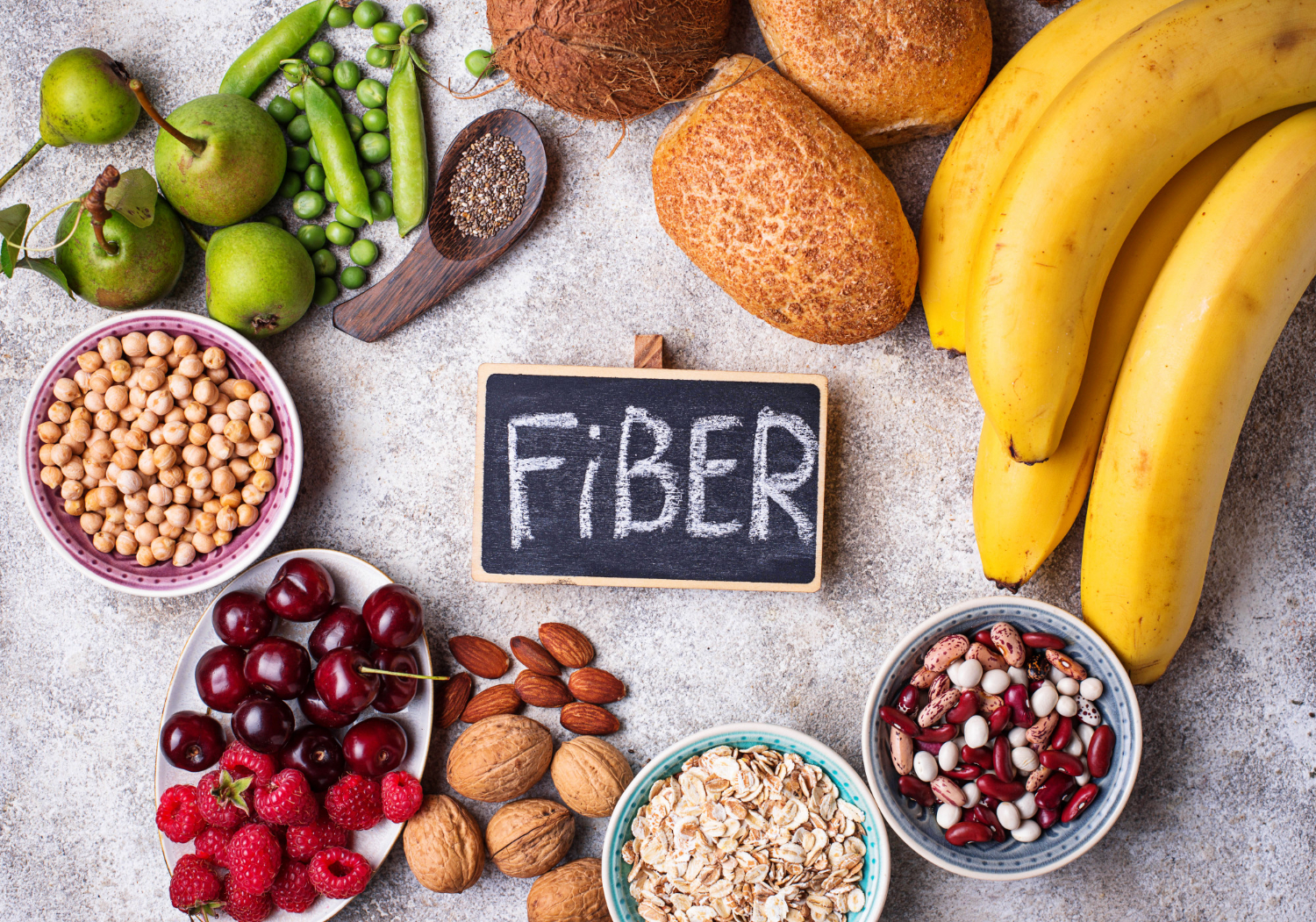
Most people fall dangerously short on fibre and phytonutrients—two essential components for gut health, metabolism, and disease prevention.

Fibre fuels beneficial gut bacteria, stabilizes blood sugar, and keeps digestion running smoothly, while phytonutrients protect against inflammation, oxidative stress, and chronic disease.

Learn how to maximize these powerful nutrients and transform your health.

What is Fibre & Why Does It Matter?
Fibre Types & Their Benefits
Fibre & the Gut Microbiota: The Connection
Fibre & SCFAs: How They Support Your Health
Phytonutrients: An Overview of Their Power
Organosulfur Compounds: Health Benefits & Sources
Call to Action: Supercharge Your Health with Fiber & Phytonutrients

SOS – Why Salt, Oil & Sugar Are Holding You Back

Excess salt, oil, and sugar (SOS) silently undermine your health, contributing to weight gain, cardiovascular disease, and inflammation.

These highly processed additives hijack your taste buds, disrupt metabolism, and increase disease risk.

Discover why cutting back—or eliminating them—can improve energy, longevity, and overall well-being.

Global Burden of Disease: Fibre, Salt, Oil & Sugar
Salt: Effects on Health & Disease
Sugar: Impact on Health & Disease
Fat & Storage: How It Affects Your Health
Fat & Endothelial Function: Impact on Vascular Health
Types of Fat, Oils & Their Effect on Blood Flow
Fats, Oils & the Risks of Polar Compounds
Fat & PAHs (Polycyclic Aromatic Hydrocarbons): Health Risks & Exposure
Call to Action: Break Free from Salt, Oil & Sugar (SOS) for Optimal Health

Hydration: The Foundation of Health

Water is the most essential nutrient, yet it's often overlooked. This section dives into the science of hydration, its impact on energy, digestion, and cognitive function, and how different beverages affect your health. Learn simple, effective strategies to optimize hydration for peak performance and well-being.

Fasting & Hydration: Why It’s Essential
Beverage Rankings: Best & Worst for Health
Green Tea: Benefits & Health Impact
Matcha Tea: Nutrition & Health Benefits
Herbal Teas: Benefits & Best Choices
Coffee: Effects on Health & Performance
Boiling Water & Plastic: Hidden Health Risks
Alcohol & Health
Alcohol & Health: Guidelines & Recommendations
Call to Action: Hydration – The Foundation of Health

Sleep: The Ultimate Recovery Tool

Quality sleep is the key to optimal health, affecting metabolism, immunity, and mental clarity. This section uncovers the science behind sleep cycles, the impact of diet and lifestyle on rest, and practical steps to improve sleep quality. Discover how better sleep can transform your energy, focus, and long-term well-being.

Alcohol & Sleep: How It Disrupts Rest
Sleep & Health: Why It Matters
Sleep, Weight & Social Jetlag: Timing Matters
Sleep Recommendations: Optimizing Rest for Health
Dietary Patterns & Sleep: The Connection
Dietary Patterns & Obstructive Sleep Apnea (OSA)
Dietary Patterns, Sleep & Resting Metabolic Rate (RMR)
Dietary Patterns, Sleep & Cardiovascular Health
Call to Action: Sleep – The Ultimate Recovery Tool

Carbohydrates: Fueling Your Body the Right Way

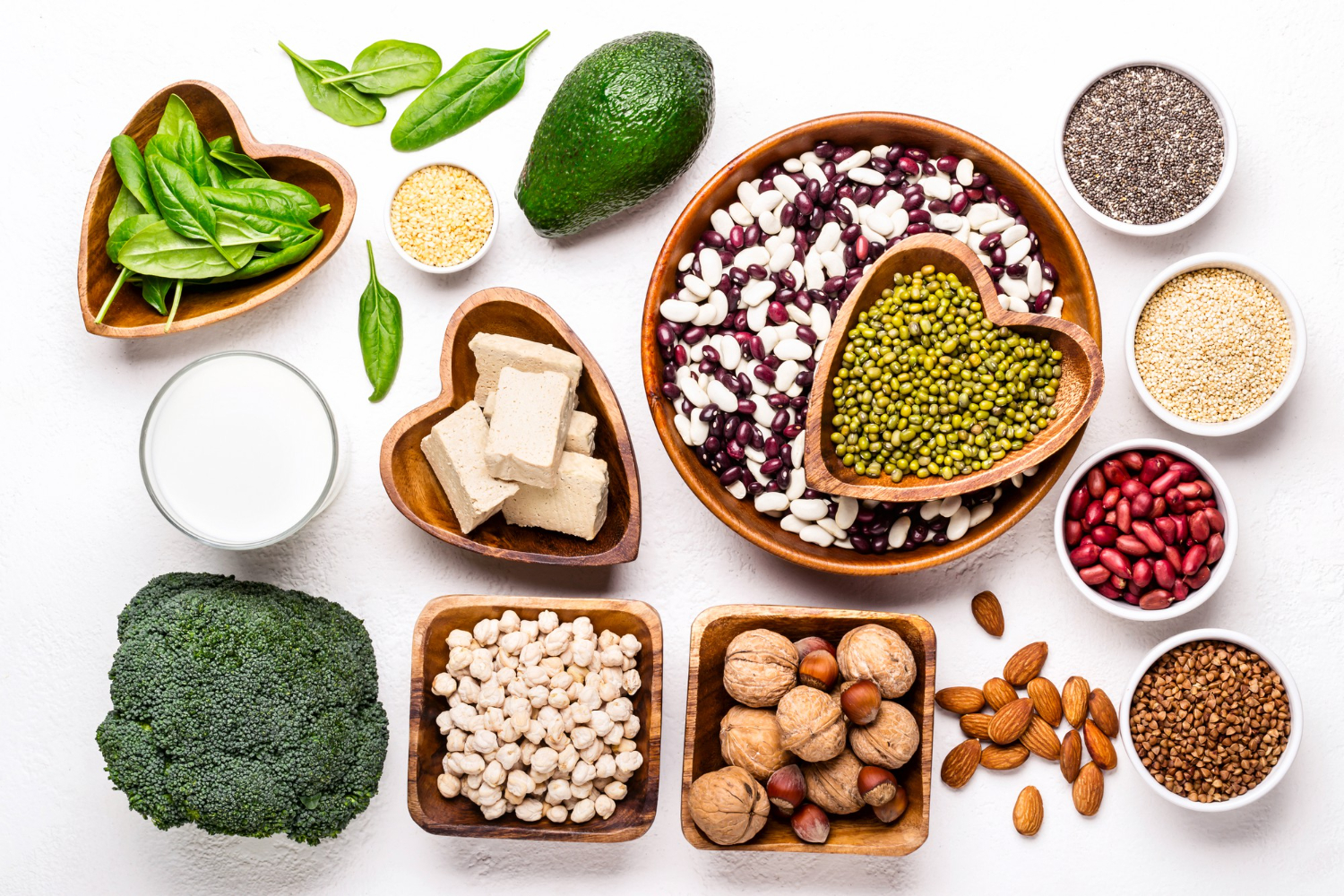
Carbs aren’t the enemy—they’re essential for energy and overall health. This section breaks down the science behind carbohydrates, debunks common myths, and explores the difference between refined sugars and fibre-rich whole foods.

Learn how to fuel your body effectively while avoiding the pitfalls of poor carbohydrate choices.
What Are Carbohydrates & Why Do They Matter?
Carbohydrates: Why Do They Have a Bad Reputation?
Glycaemic Response, Insulin & the Role of Carbs & Protein
Carbohydrates: Type vs. Amount—What Matters Most?
Low-Carb Diets: Benefits, Risks & Considerations
Carbs & the U-Curve: Why the Source Matters
Call to Action: Carbohydrates – Fueling Your Body the Right Way

Protein: Beyond the Hype

Protein is often misunderstood, with myths about deficiency and excessive intake clouding the facts. This section explores the real role of protein in muscle maintenance, metabolism, and overall health.

Learn how to meet your protein needs effectively—whether from plant or animal sources—without falling for marketing gimmicks or misinformation.

Protein: An Introduction to Its Role in Health
Protein in History: Kwashiorkor & Cicely Williams’ Discovery
The Protein Obsession: Unraveling the Fiasco
Protein Needs: How Much Is Enough?
Milk & Protein: Is There a Perfect Human Food?
Protein Structure & Nitrogen: What You Need to Know
Protein Sources & the Nitrogen Cycle: The Bigger Picture
Protein Myths: Separating Fact from Fiction
The Universal Genetic Code: What It Means for Protein
Nitrogen Balance Studies: What They Reveal About Protein Needs
Call to Action: Protein – Beyond the Hype

Nutrients That Matter: Essential & Overlooked

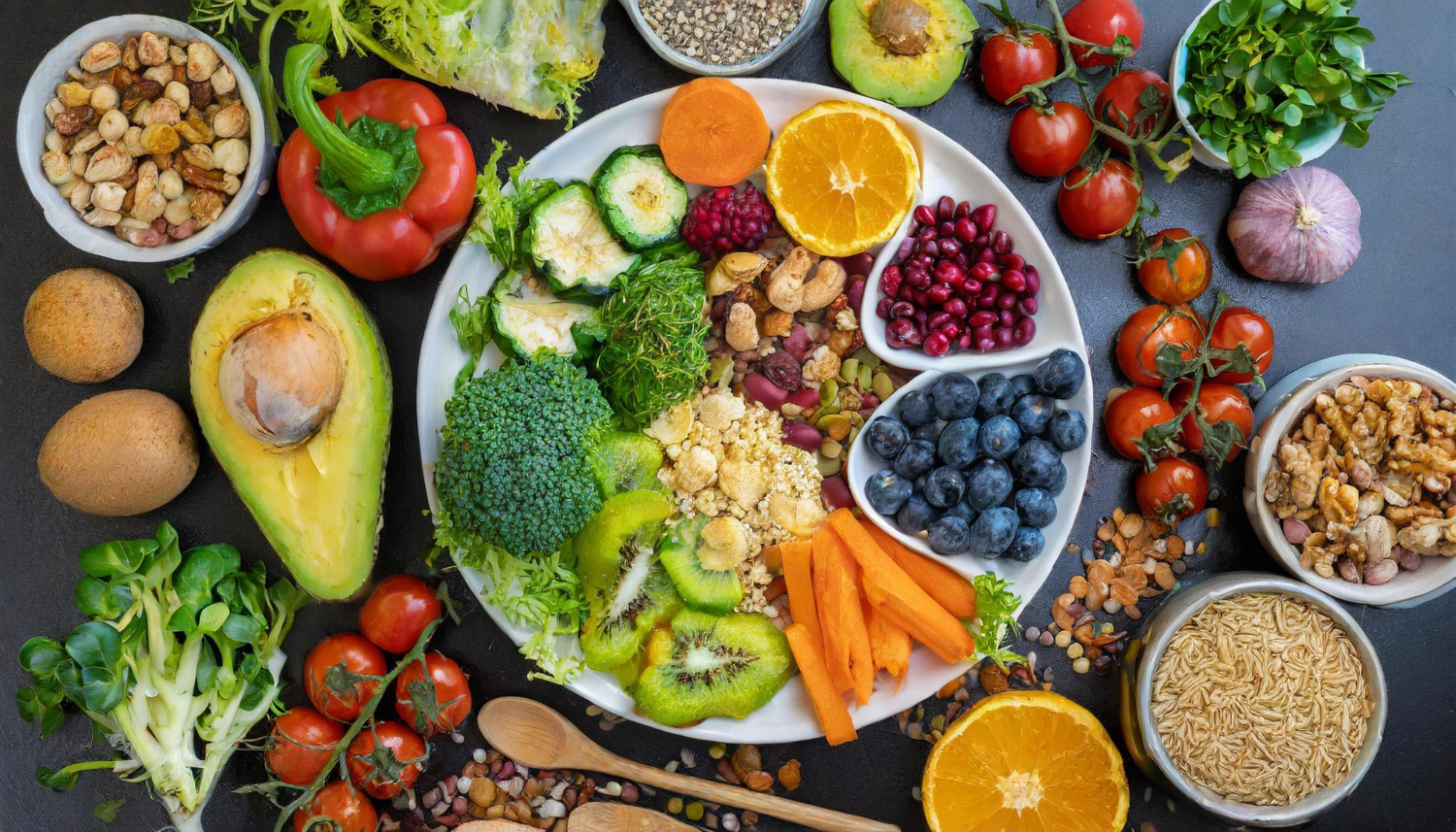
Certain nutrients play a critical role in health but are often misunderstood or overlooked. This section explores essential fatty acids, iron, and vitamin B12, as well as the benefits of phytonutrients and the risks of contaminants and TMAO.

Learn how to optimize intake, avoid deficiencies, and make informed choices for long-term well-being.
Essential Fatty Acids & Alpha-Linolenic Acid (ALA)
Iron Deficiency: Causes, Risks & Solutions
Vitamin B12: Importance, Sources & Deficiency Risks
The Benefits of Dietary Patterns: Why They Matter
Phytonutrients: Powerful Compounds for Health
Contaminants in Meat: Hidden Health Risks
TMAO: Its Role in Health & Disease
Call to Action: The Nutrients That Matter – Essential & Overlooked

Fueling Peak Performance with a Plant-Based Diet

A plant-based diet isn’t just for health—it’s a game-changer for athletic performance.

Packed with nutrient-dense carbohydrates, anti-inflammatory foods, and optimal protein sources, it enhances endurance, accelerates recovery, and supports lean muscle.

Learn how to optimize your training, improve vascular function, and sustain energy with the power of plants.
Dietary Patterns & Athletic Performance: What the Science Says
Dietary Patterns & Athletic Performance: Part 2
Dietary Patterns: Reducing Disease Risk & Enhancing Performance
Dietary Patterns, Protein & Performance in Football Players
Call to Action: Fueling Peak Performance with a Plant-Based Diet

Optimizing Brain Power with a Plant-Based Diet

Your brain thrives on the right fuel. A plant-based diet, rich in antioxidants, polyphenols, and essential nutrients, supports cognitive function, enhances memory, and protects against mental decline.

Learn how foods like berries, leafy greens, and omega-3-rich seeds can sharpen focus, improve mood, and sustain long-term brain health.

Dietary Patterns & Mental Performance: Part 1
Dietary Patterns & Mental Performance: Part 2
Dietary Patterns & Alzheimer's: Impact on Brain Health
Call to Action: Optimizing Brain Power with a Plant-Based Diet

Vitamin G: The Power of Green Space

Nature isn’t just a backdrop—it’s essential for well-being. Time in green spaces reduces stress, lowers blood pressure, and boosts mood, creativity, and cognitive function.

Whether it’s a walk in the park or a moment by the water, reconnecting with nature is a simple yet powerful way to enhance mental and physical health.

The Role of Nature in Health & Well-Being
The Power of Natural Landscapes for Health
Urban vs. Green Space: Impact on Health & Well-Being
Vitamin G: The Benefits of Spending Time Outdoors
The Healing Power of Nature Sounds
Call to Action: Vitamin G – The Power of Green Space

Smart Weight Loss: The Power of Plant-Based Eating

Sustainable weight loss isn’t about starving yourself—it’s about eating more of the right foods. Whole, plant-based foods naturally support weight loss by being nutrient-dense, high in fiber, and lower in calorie density.

Unlike restrictive diets, a plant-based approach allows you to eat until satisfied while promoting fat loss, improving metabolism, and enhancing overall health.

Learn how plant-based diets outperform traditional weight loss methods, backed by clinical trials and real-world success stories.

Dietary Patterns & Observational Studies: Insights from Research
Dietary Patterns & Weight Loss: Findings from Clinical Trials
Dietary Patterns & Their Role in CVD and Inflammation
Dietary Patterns & Mechanisms of Weight Loss
Dietary Patterns, Fiber & Their Impact on Obesity
Saturated Fat & Its Link to Obesity
Plant Protein & Nuts: Nutritional Powerhouses
Phytonutrients: Part 1 – Essential Benefits for Health
Phytonutrients: Part 2 – Boosting Wellness & Disease Prevention
Are Dietary Patterns Healthy? Exploring the Evidence
Dietary Patterns: Acceptability & Adherence for Long-Term Success
Calorie Density: Understanding Its Impact on Health
Call to Action: Smart Weight Loss – The Power of Plant-Based Eating

Optimizing Body Composition with Smart Nutrition

Achieving a leaner, healthier physique isn’t about eating less—it’s about eating smarter. Understanding calorie density, macronutrient balance, and the power of whole, plant-based foods allows you to optimize body composition while enjoying satisfying meals.

This section explores how fat intake influences body weight, why preloading with fiber-rich foods enhances satiety, and how strategic dietary choices—like reducing ultra-processed foods and increasing water-rich foods—can help you achieve a leaner body composition without the struggle.

Weight Gain: Oil vs. Water and Their Impact
Processed Foods: What You Need to Know
Negative Calorie Preloading: Fact or Fiction?
AMPK & Vinegar: Boosting Metabolism & Health
Black Cumin: Health Benefits & Uses
Nutraceuticals: Green Tea & Thylakoids for Health
Fibre, Microbiome & Their Role in Obesity
MACs & Fibre Intake: Understanding the Connection
Fibre, Protein & the Satiety Index: Staying Fuller for Longer
Modern Meat vs. Plant-Based Protein: Poultry & Fast Food Comparisons
Protein & Insulin: Understanding the Impact on Blood Sugar
Cell Walls: Structure & Function in Plants and Health
Call to Action: Optimizing Body Composition with Smart Nutrition

The Evolution of the Human Diet: Ancestral Wisdom for Modern Health

Modern dietary patterns are drastically different from the diets that shaped human evolution. Understanding the shift from a predominantly plant-based, fiber-rich diet to today's processed, meat-heavy diets helps us grasp the root causes of chronic disease.

This section explores the science of trophic levels, gut morphology, and ancestral fiber intake, revealing how our bodies are naturally adapted for plant-based nutrition.

By realigning our diets with these ancestral patterns—emphasizing whole, unprocessed foods—we can improve metabolic health, reduce disease risk, and thrive in harmony with our evolutionary biology.

The Evolution of the Human Diet: From Ancestors to Modern Times
Our Ancestors: Primarily Plant-Based Diets
Gut Morphology: How Our Digestive System Evolved
Human Trophic Levels: Understanding Our Position in the Food Chain
Cholesterol & Herbivores: The Connection to Human Health
Starchivores: The Role of Starch in Human Evolution
Why Didn't Humans Evolve Better for Meat-Eating?
Rural Diets: Why Some Are Free from Modern Diseases
Migration Studies: How Diet Changes Impact Health
Why We Shouldn’t Eat Like Our Ancestors
CVD Reversal: Insights from Esselstyn’s Research
Fiber in Our Ancestors' Diets & the Role of SCFAs
Food, Fiber & SCFAs: Key to Gut Health and Wellness
The American Gut Project: Insights into Microbiome Health
The Science is Clear: A Whole-Food, Plant-Based Diet is Our Evolutionary Baseline