- Jan 8, 2025
Mastering Calorie Density: The Key to Healthy Eating and Sustainable Weight Loss
- Jordan Coughlin
- 0 comments

Managing your weight and improving your overall health can often feel overwhelming, but one concept stands out as both simple and powerful: calorie density. This approach focuses on the number of calories in a given weight of food and emphasizes choosing foods that allow you to eat more while consuming fewer calories. By understanding and applying this principle, you can make meaningful changes to your diet without feeling deprived.
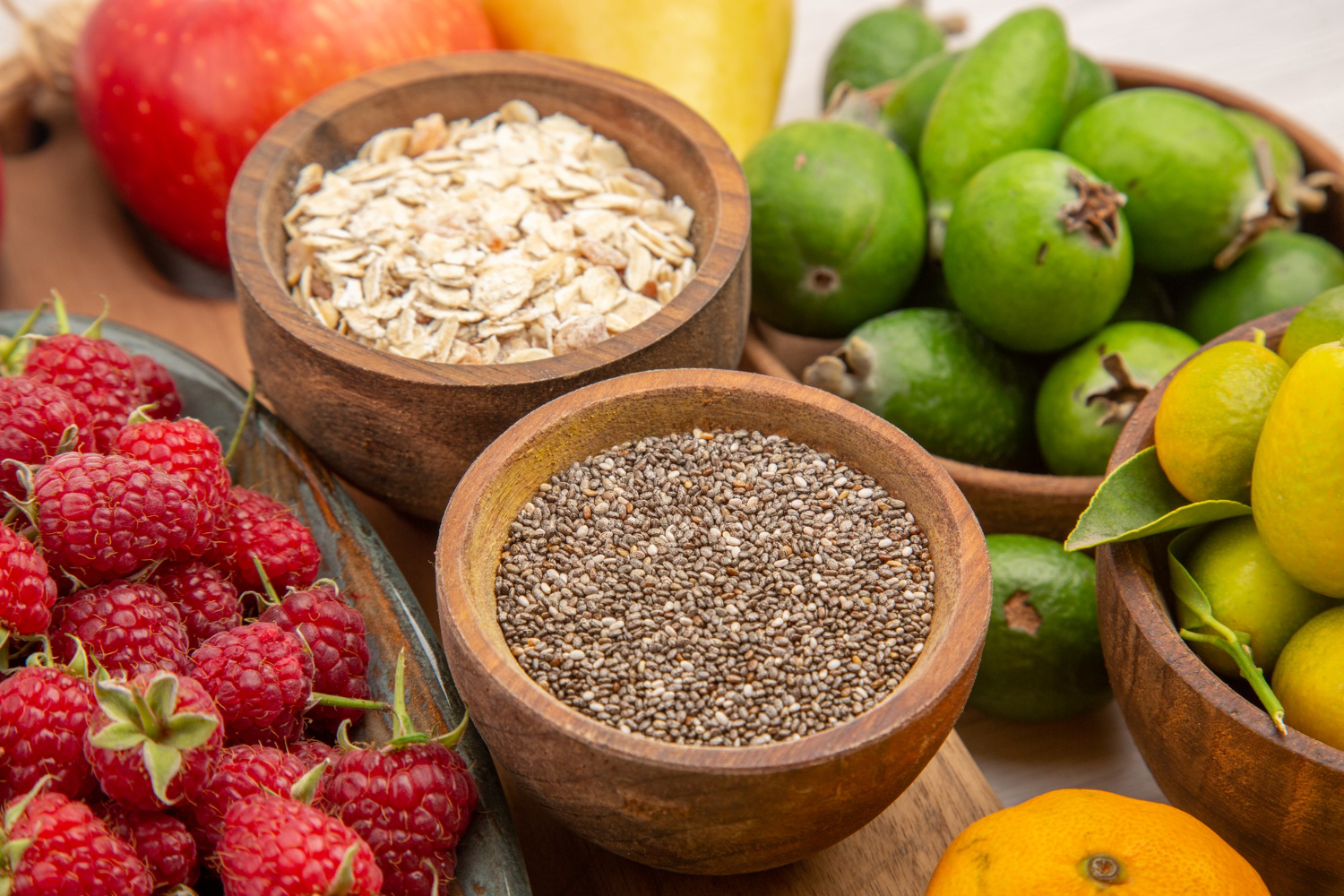
Calorie density is influenced by a food’s water and fiber content. Foods like vegetables and fruits, which are rich in both, are naturally low in calorie density. This means you can enjoy generous portions without exceeding your calorie goals, making it easier to feel satisfied while reducing overall intake. By contrast, foods high in fat or lacking water, like oils and processed snacks, pack a significant calorie punch in small quantities.

One of the most impactful strategies for lowering the calorie density of your meals is to replace added fats, like oils, with whole, plant-based alternatives. A single tablespoon of oil contains about 120 calories, which can quickly add up. Cooking without oil or opting for alternatives like mashed avocado can help reduce calorie intake substantially. Pairing this approach with an increase in vegetables—leafy greens, carrots, cucumbers, and other water-rich options—further enhances satiety without adding unnecessary calories. On average, most people consume about three pounds of food each day. Choosing foods with lower calorie density allows you to eat more in volume while still staying within your calorie needs.
Fat plays a significant role in weight gain due to its high energy density and efficiency in being stored as body fat. Studies have shown that people consuming high-fat diets are more likely to gain weight, even when they don’t intentionally overeat. Interestingly, research on overfeeding provides insight into this phenomenon. In one famous experiment, participants struggled to gain weight when consuming extra calories from a balanced diet of carbohydrates and fat. However, when excess calories came primarily from fat, weight gain became much easier. This highlights the body's tendency to store fat more efficiently than other macronutrients.
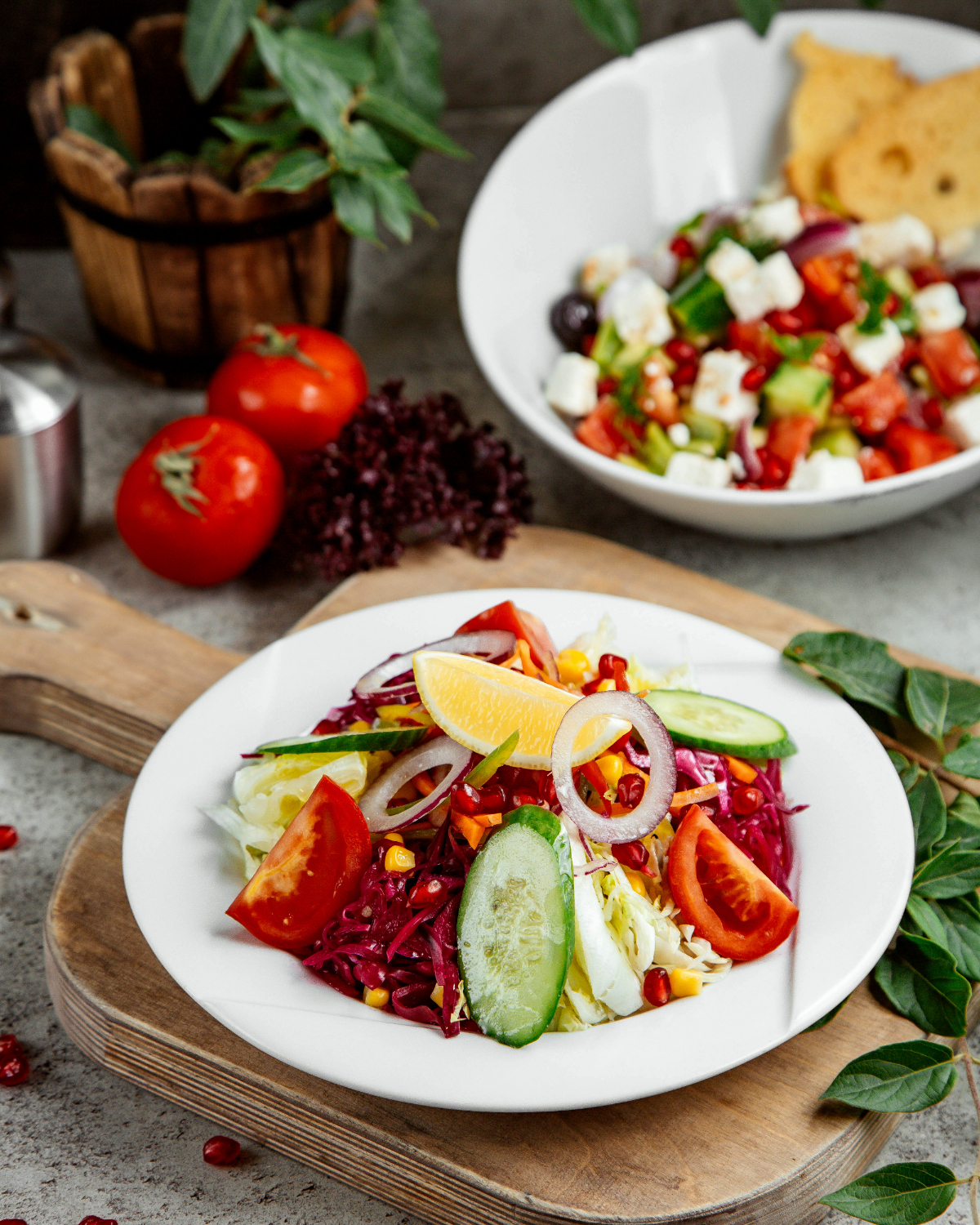
Another effective approach to managing calorie intake is "preloading," or starting a meal with low-calorie, nutrient-dense foods. For example, eating a salad made with lettuce, carrots, and cherry tomatoes before your main course can significantly reduce the total calories you consume during the meal. Similarly, a bowl of vegetable soup as a first course can lower overall calorie intake for the day by keeping you fuller for longer. The key is choosing preloading foods that are high in water and fiber, like vegetables, fruits, and soups, which provide bulk and satiety without adding excess calories.
Incorporating vinegar into your meals offers another simple yet powerful weight-loss boost. Vinegar contains acetic acid, which has been shown to activate AMPK, an enzyme that promotes fat burning. Studies suggest that consuming just a couple of teaspoons of vinegar with meals can reduce body fat and improve metabolic health. Adding vinegar to salads or mixing it into a drink with lemon juice is an easy and affordable way to enhance your weight-loss efforts.
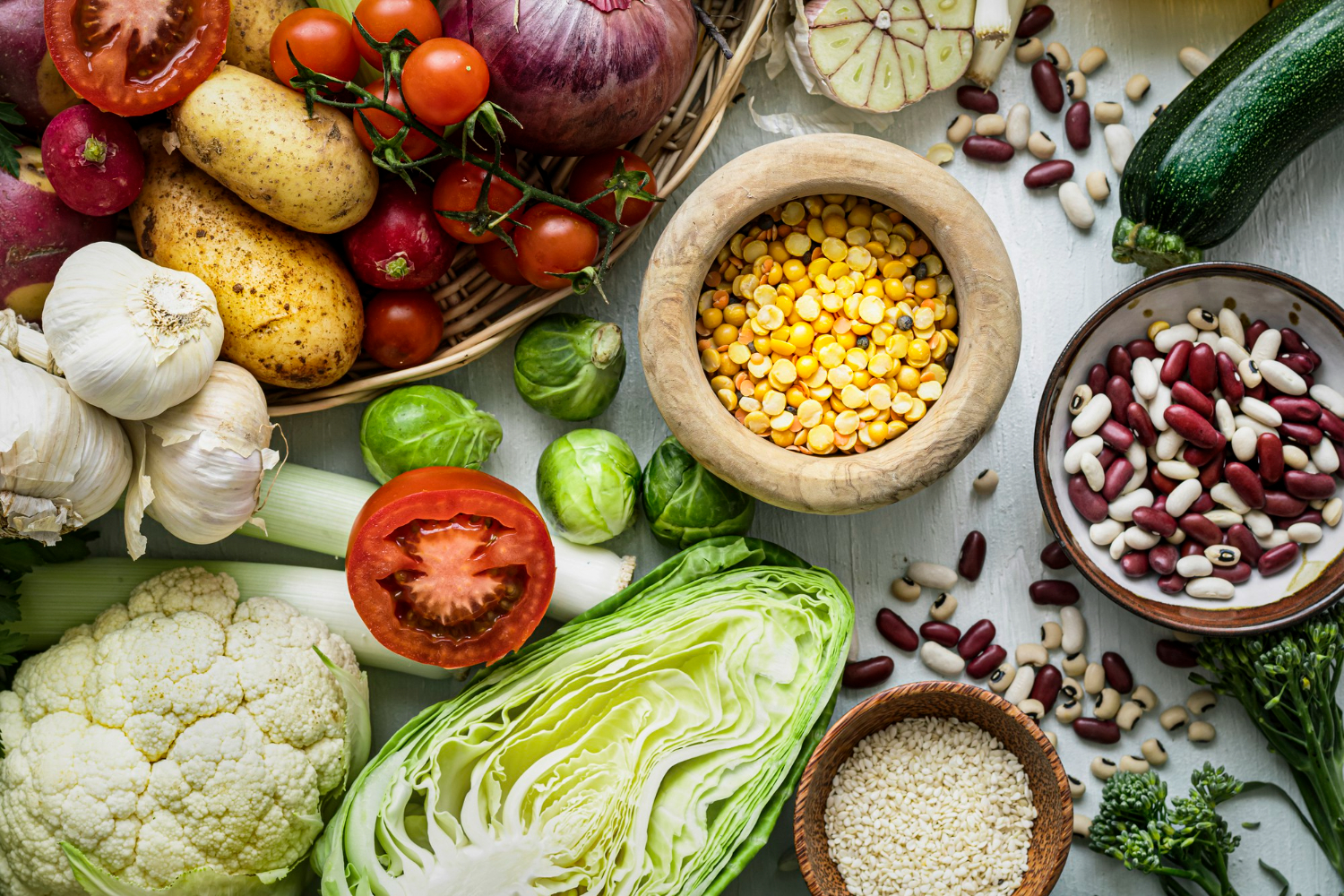
Fiber also plays a critical role in maintaining a healthy weight. Often overlooked, fiber-rich foods like beans, whole grains, and vegetables feed the beneficial bacteria in your gut. These bacteria produce compounds that help regulate appetite and metabolism. Despite its importance, fewer than 5% of North Americans meet their daily fiber needs. Prioritizing fiber-rich foods not only aids digestion but also supports long-term weight management by promoting feelings of fullness and reducing hunger hours after a meal.
On the other hand, ultra-processed foods undermine these efforts. Even when matched for calories and nutrients with unprocessed options, they often lead to overeating and weight gain. The industrial ingredients and additives in these foods can disrupt your body's natural satiety signals. By reducing your intake of ultra-processed foods and focusing on whole, unprocessed options, you can create a diet that aligns more closely with your body’s needs.

Meat, particularly modern poultry, poses another challenge. Today’s chicken contains significantly more fat than it did decades ago, contributing more calories from fat than protein. Replacing meat with plant-based proteins not only reduces calorie intake but also enhances satiety. Plant-based options like beans, lentils, and soy-based products provide a satisfying, nutrient-dense alternative without the negative health impacts associated with high meat consumption.
Ultimately, achieving and maintaining a healthy weight isn’t about drastic restrictions but about thoughtful choices. By focusing on foods with lower calorie density, incorporating fiber-rich and water-rich foods, and avoiding highly processed and fat-laden options, you can take control of your diet in a sustainable way. These strategies are simple, effective, and accessible, empowering you to eat more, enjoy your meals, and prioritize your health—all without feeling deprived.

Interested in Plant-Based Nutrition? Simplify Your Journey with My Course
Exploring plant-based nutrition can feel overwhelming, but my comprehensive course is designed to save you time, effort, and money while guiding you toward a healthier lifestyle. The course condenses cutting-edge research—much of which is locked behind paywalls—into an easy-to-follow program, sparing you the countless hours needed to sift through and digest the information yourself.
You’ll gain exclusive access to advanced nutrition software, packed with tools for meal planning and detailed analysis, empowering you to make impactful, health-boosting changes with ease. Whether you’re considering small dietary shifts or a complete plant-based transformation, this course offers expert insights and actionable strategies tailored to your needs.
Investing in this course means investing in your health, longevity, and sustainability—all while streamlining your journey to better nutrition.
Learn more about the course HERE.