- Dec 18, 2024
The History of Protein: The Fiasco, Myths, and Why Protein Doesn't Equal Meat
- Jordan Coughlin
- 0 comments
Introduction
Protein holds a near-mythical status in the public consciousness, often equated with vitality, strength, and superior health. But how did this obsession with protein arise, and is it warranted? Surprisingly, much of what we believe about protein today stems from historical misconceptions and overzealous promotion. This post unpacks the history of protein research, the myths it generated, and why understanding its role as part of a balanced diet—rather than a dietary fixation—matters.

Historical Context: Early Enthusiasm for Protein
The protein story begins with 19th-century scientists like Justus von Liebig, who declared protein the most "nutritive" component of food. He believed that protein powered muscle contractions, a theory now disproven. Nevertheless, Liebig's ideas became widely accepted dogma, setting the stage for protein to dominate nutritional science(A Short History of Nutr…)(A Short History of Nutr…)(The History of Enthusia…)(The rise and fall of di…).
Protein and Status
By the late 19th century, high protein consumption was linked with affluence and physical vigor. Influential figures like Carl Voit and Wilbur Atwater recommended dietary protein intakes exceeding 100 grams per day, based on observations of prosperous populations who consumed meat-rich diets(A Short History of Nutr…)(The History of Enthusia…)(The rise and fall of di…). However, these assumptions overlooked evidence that people could thrive on far less protein, especially from plant-based sources(Amino Acid Composition …)(Kwashiorkor revisited t…).

The Great Protein Fiasco
In the mid-20th century, the world faced what was framed as a "protein crisis." Kwashiorkor, a severe form of malnutrition characterized by edema, was incorrectly attributed solely to protein deficiency. This led to global initiatives to combat a so-called "protein gap" by distributing high-protein foods to malnourished populations(Kwashiorkor revisited t…)(THE GREAT PROTEIN FIASC…).
Missteps and Realizations
Misdiagnosis of Malnutrition: Researchers like Donald McLaren debunked the crisis narrative, demonstrating that the true cause of malnutrition in most cases was calorie deficiency, not protein deficiency(THE GREAT PROTEIN FIASC…)(The Great Protein Fiasc…).
Resource Misallocation: Focus on protein led to expensive interventions like protein supplements and fortified foods that ignored broader nutritional needs and local food systems(THE GREAT PROTEIN FIASC…)(The Great Protein Fiasc…).
Lessons from the Fiasco
Kwashiorkor is a complex condition involving calorie and nutrient deficiencies, not merely a lack of protein(Kwashiorkor revisited t…)(The Great Protein Fiasc…).
Balanced diets—including diverse plant foods—can meet protein needs without the need for excessive intervention(A Short History of Nutr…)(Amino Acid Composition …)(The History of Enthusia…).
Modern Protein Science: Rethinking Our Needs
Scientific advances have shown that the body's protein requirements are far lower than once believed. For nearly all adults, the Recommended Dietary Allowance (RDA) of 0.8 grams per kilogram of body weight is sufficient to meet their needs. For a 70-kilogram (154-pound) adult, this equates to just 56 grams per day, easily obtained through a varied diet(A Short History of Nutr…)(THE GREAT PROTEIN FIASC…)(The rise and fall of di…).
Challenging Common Myths
-
Myth: More Protein is Always Better
Consuming protein in excess of the RDA offers no additional health benefits for most people. Overemphasis on protein can also lead to environmental and health burdens(THE GREAT PROTEIN FIASC…)(The History of Enthusia…).
-
Myth: Protein Equals Meat
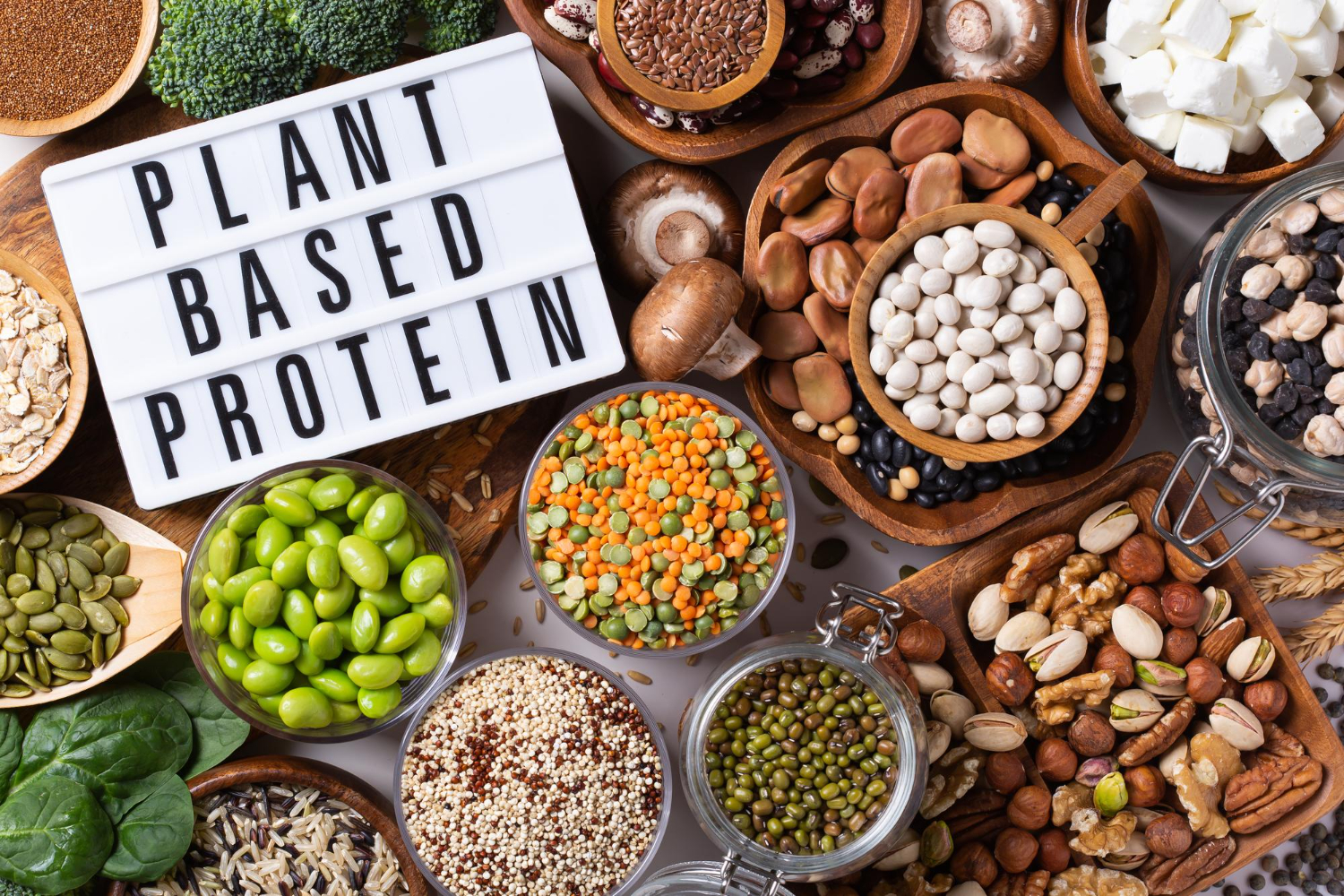
Protein is abundant in a wide variety of plant-based foods, including lentils, beans, chickpeas, quinoa, nuts, seeds, and soy products. These foods can meet protein needs without relying on animal products(Amino Acid Composition …)(The History of Enthusia…).
-
Myth: Plant Proteins Are Inferior
Plant-based proteins provide all essential amino acids when consumed in a varied diet. The concept of "complete" versus "incomplete" proteins is largely outdated(Amino Acid Composition …)(The rise and fall of di…).
Practical Takeaways
Eat a Variety of Whole Foods: Legumes, grains, nuts, seeds, and vegetables can all contribute to meeting protein needs while offering additional nutrients and fiber.
Trust the Science: The RDA of 0.8 grams per kilogram of body weight is sufficient for almost everyone. Exceeding this doesn’t enhance health or performance for the majority of people(THE GREAT PROTEIN FIASC…)(The Great Protein Fiasc…).
Focus on Balanced Diets: Prioritize whole, minimally processed foods over isolating protein as a singular dietary focus.
Conclusion
Protein is an essential nutrient, but it’s far from the dietary king it’s often made out to be. Its history reveals a cautionary tale of scientific dogma, misinformed policies, and overhyped narratives. A balanced diet rich in diverse plant-based foods provides ample protein without the health and environmental costs of meat-heavy diets. By moving beyond myths, we can embrace a sustainable, evidence-based approach to nutrition.
References
Carpenter, K. J. (1986). The History of Enthusiasm for Protein. The Journal of Nutrition, 116(7), 1364–1370. DOI: 10.1093/jn/116.7.1364.
McLaren, D. S. (1974). The Great Protein Fiasco. The Lancet, ii(93), 93–96.
McLaren, D. S. (2000). The Great Protein Fiasco Revisited. Nutrition, 16(7/8), 587–591.
Cannon, G. (2005). The Rise and Fall of Dietetics and of Nutrition Science 4000 BCE–2000 CE. Public Health Nutrition, 8(6A), 701–705.
Davis, T. A., et al. (1994). Amino Acid Composition of Human Milk Is Not Unique. The Journal of Nutrition, 124(7), 1126–1132.
Waterlow, J. C. (1984). Kwashiorkor Revisited: The Pathogenesis of Edema in Kwashiorkor. Transactions of the Royal Society of Tropical Medicine and Hygiene, 78(4), 436–441.
Koonin, E. V., & Novozhilov, A. S. (2017). Origin and Evolution of the Universal Genetic Code. Annual Review of Genetics, 51, 45–62. DOI: 10.1146/annurev-genet-120116-024713.
Carpenter, K. J. (2003). A Short History of Nutritional Science: Part 1 (1785–1885). The Journal of Nutrition, 133(3), 638–645.
Carpenter, K. J. (2003). A Short History of Nutritional Science: Part 2 (1885–1912). The Journal of Nutrition, 133(3), 975–984.
FAO/WHO. (2007). Protein and Amino Acid Requirements in Human Nutrition. Report of a Joint FAO/WHO/UNU Expert Consultation. WHO Technical Report Series No. 935.