- Dec 19, 2024
Meat the Truth: Sizzling Facts and Risks on Your Plate
- Jordan Coughlin
- 0 comments
Meat Consumption: Health Outcomes and Concerns
Introduction
The global rise in meat consumption parallels increasing chronic diseases like cancer, cardiovascular disease (CVD), and diabetes. Processed meats are classified as carcinogens, and high consumption levels are linked to significant environmental degradation. This article integrates insights from recent and seminal research to explore meat's health implications comprehensively.
1. Historical Context and Nutritional Importance
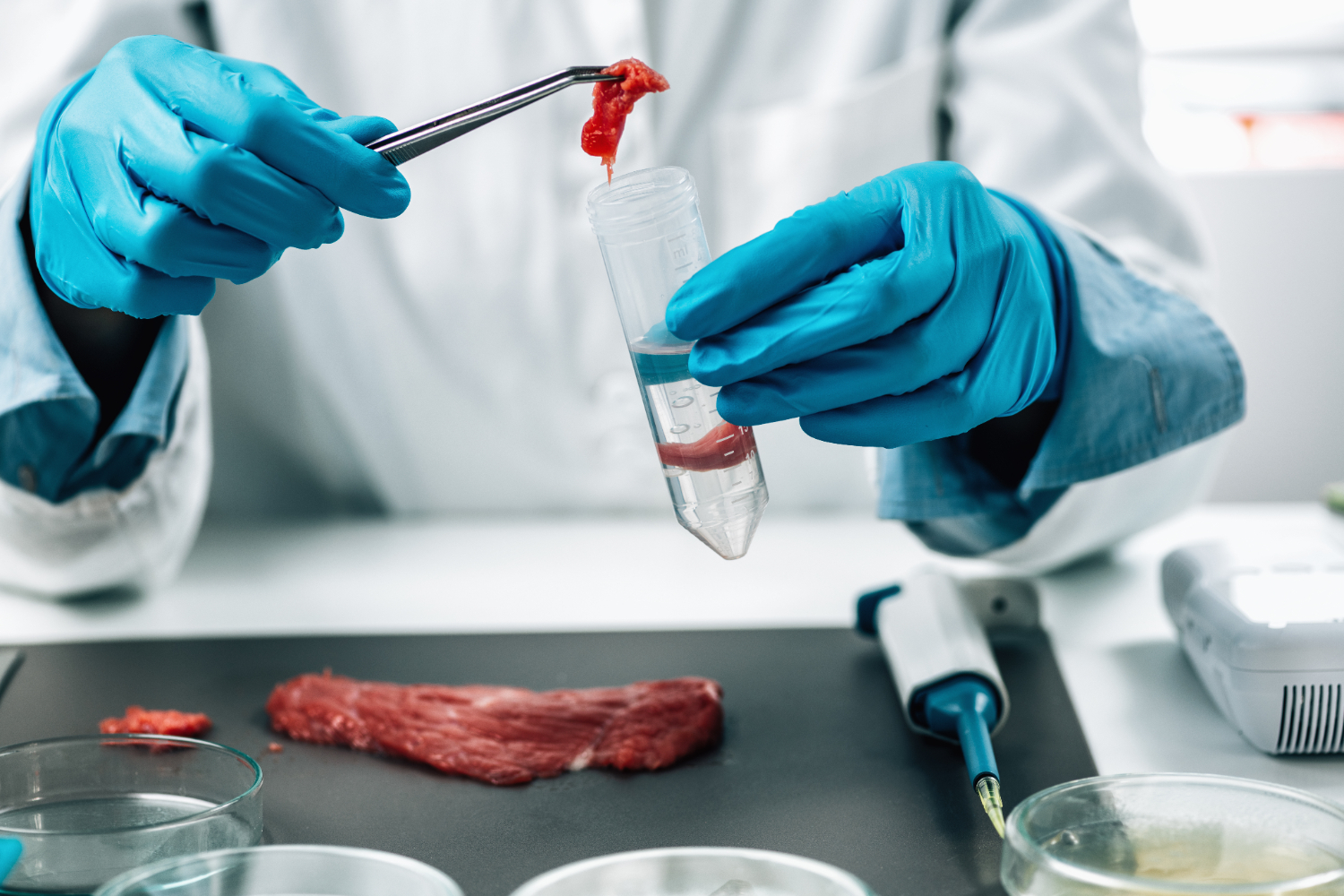
Meat has historically been a cornerstone of human diets due to its high-quality protein, iron, and vitamin B12 content (Bouvard et al., 2015). However, since the 1960s, global consumption has more than doubled, often exceeding dietary recommendations in many regions (González et al., 2020).
2. Risks Associated with Meat Consumption
A. Cancer
The International Agency for Research on Cancer (IARC) classified processed meat as a Group 1 carcinogen and red meat as a probable carcinogen (Group 2A) (Bouvard et al., 2015). Meat processing techniques and high-temperature cooking generate carcinogens like N-nitroso-compounds (NOCs) and polycyclic aromatic hydrocarbons (PAHs), increasing colorectal cancer risk by 18% per 50g/day of processed meat consumed (Engel et al., 2015; WCRF/AICR, 2018).
B. Cardiovascular Disease (CVD)
Processed meat consumption raises CVD risk by 26% per 50g/day, while unprocessed red meat increases it by 11% per 100g/day. Western dietary patterns show stronger associations due to higher processed meat intake (Shi et al., 2023).
C. Type 2 Diabetes (T2D)
A federated meta-analysis involving nearly 2 million participants revealed that processed meat consumption raises T2D risk with a hazard ratio (HR) of 1.15 per 50g/day (Li et al., 2024). The risk extends to unprocessed red meat, highlighting a dose-dependent relationship.
D. Dementia
A UK Biobank study identified processed meat as a significant risk factor for dementia, including Alzheimer’s disease. However, moderate red meat intake might reduce dementia risk, suggesting complex dose-response effects (Zhang et al., 2021).

3. Contaminants and Safety Concerns
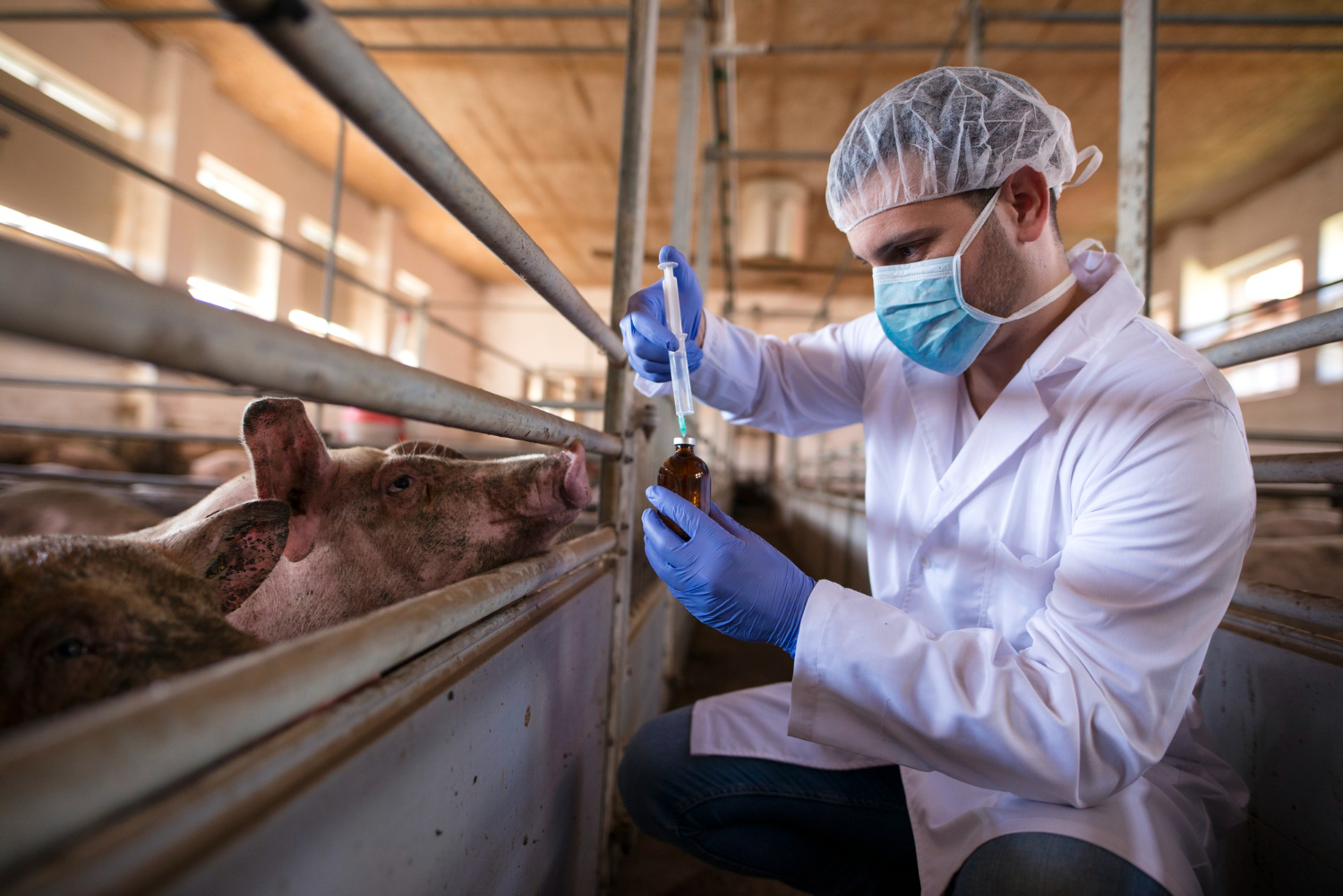
Chemical contaminants like heavy metals, pesticides, and process-induced toxicants are prevalent in meat. Residues from veterinary drugs and environmental pollutants further amplify risks (Engel et al., 2015). Biological hazards such as bacterial contamination are a leading cause of foodborne illnesses, affecting millions annually (Nielsen et al., 2020).
4. Environmental and Ethical Implications
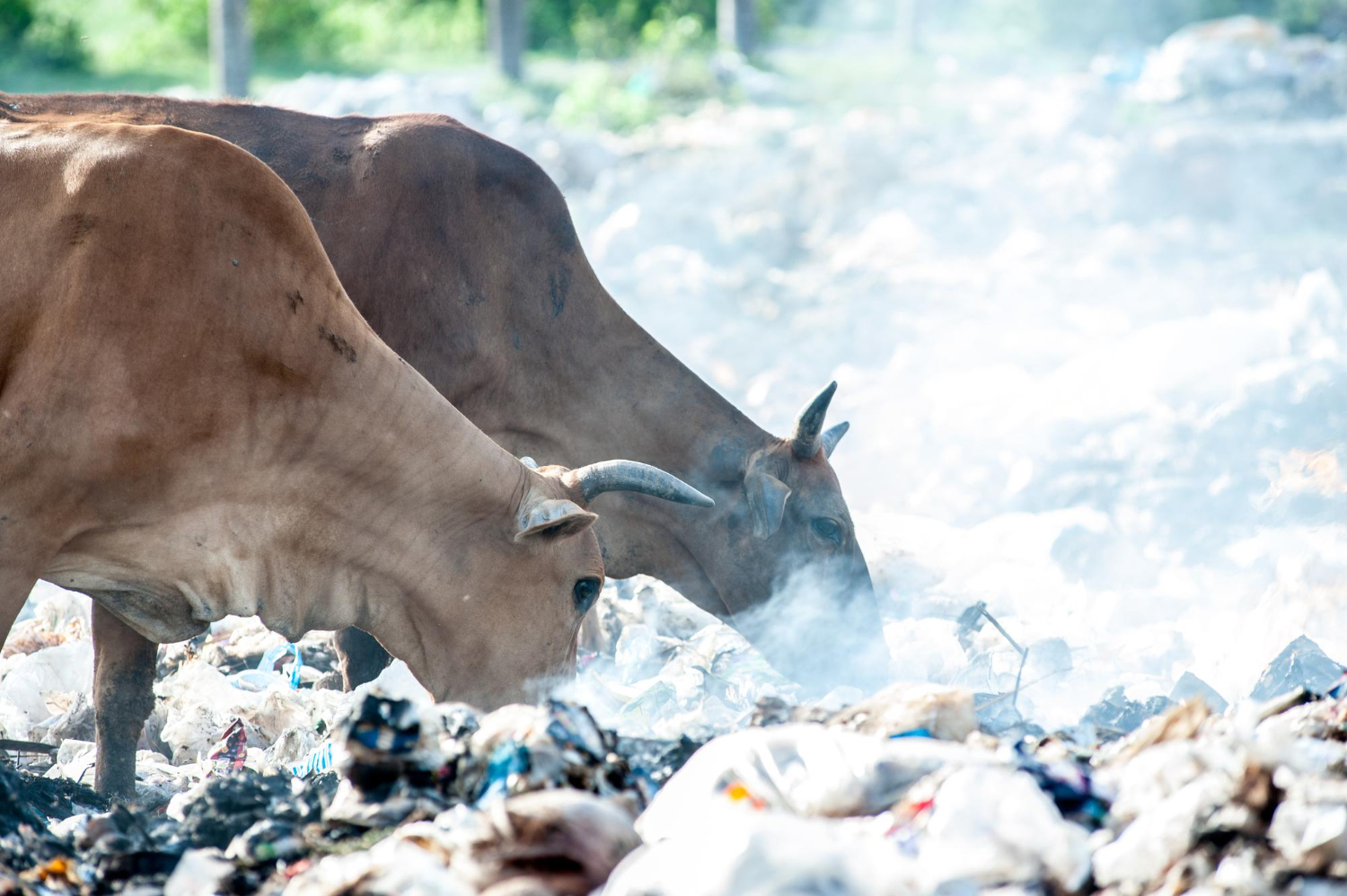
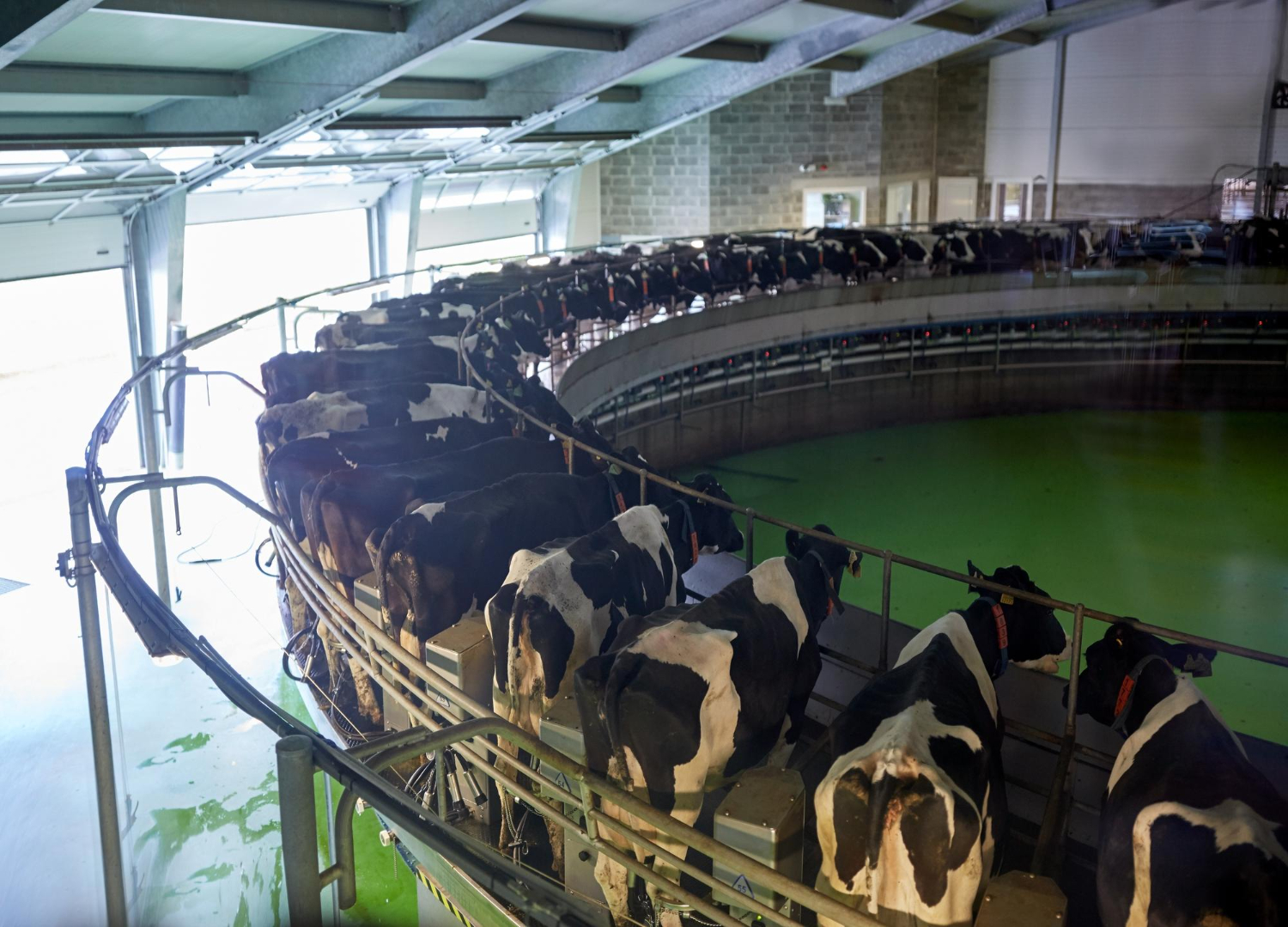
Livestock production accounts for 14.5% of global greenhouse gas emissions, contributing significantly to climate change. Meat production also has a high water footprint, depleting vital resources (González et al., 2020). Ethical concerns include animal welfare and unsustainable farming practices.
5. Addressing Misconceptions
“Meat is essential for health.”
While meat provides nutrients like iron and B12, plant-based diets with fortified foods or supplements can meet nutritional needs without the associated risks (WCRF/AICR, 2018).
“All meats are equally harmful.”
Unprocessed poultry and fish have lower health risks compared to processed and red meats, emphasizing the importance of meat type and preparation methods (Shi et al., 2023).

6. Practical Tips for Healthier Choices
Limit Processed Meat: Reduce or replace with plant-based proteins.
Portion Control: Limit red meat intake to below 500g/week.
Safer Cooking Methods: Opt for baking or steaming to minimize carcinogens.
Increase Plant-Based Foods: Incorporate legumes, nuts, and fortified options into daily meals.

Conclusion and Future Directions
While meat remains a dietary staple, its overconsumption contributes to chronic diseases, environmental damage, and ethical challenges. Reducing meat intake and diversifying protein sources can improve health outcomes and sustainability. Future research should prioritize understanding mechanisms and promoting dietary shifts through policy and education.

References
Bouvard, V., Loomis, D., Guyton, K. Z., Grosse, Y., Ghissassi, F. E., Benbrahim-Tallaa, L., ... & Straif, K. (2015). Carcinogenicity of consumption of red and processed meat. The Lancet Oncology, 16(16), 1599-1600. https://doi.org/10.1016/S1470-2045(15)00444-1
Engel, E., Ratel, J., Bouhlel, J., Planche, C., & Meurillon, M. (2015). Novel approaches to improving the chemical safety of the meat chain towards toxicants. Meat Science, 109, 75-85. https://doi.org/10.1016/j.meatsci.2015.05.016
González, N., Marquès, M., Nadal, M., & Domingo, J. L. (2020). Meat consumption: Which are the current global risks? A review of recent evidence. Food Research International, 137, 109341. https://doi.org/10.1016/j.foodres.2020.109341
Li, C., Bishop, T. R. P., Imamura, F., Sharp, S. J., Pearce, M., Brage, S., ... & Wareham, N. J. (2024). Meat consumption and incident type 2 diabetes: An individual-participant federated meta-analysis of 1.97 million adults. The Lancet Diabetes & Endocrinology, 12(9), 619–630. https://doi.org/10.1016/S2213-8587(24)00204-9
Nielsen, B., Colle, M. J., & Ünlü, G. (2020). Meat safety and quality: A biological approach. International Journal of Food Science & Technology, 56(1), 39-51.
Shi, W., Huang, X., Schooling, C. M., & Zhao, J. V. (2023). Red meat consumption, cardiovascular diseases, and diabetes: A systematic review and meta-analysis. European Heart Journal, 44(28), 2626-2635. https://doi.org/10.1093/eurheartj/ehad336
World Cancer Research Fund/American Institute for Cancer Research. (2018). Diet, nutrition, physical activity, and cancer: A global perspective. Third Expert Report.
Zhang, H., Greenwood, D. C., Risch, H. A., Bunce, D., Hardie, L. J., & Cade, J. E. (2021). Meat consumption and risk of incident dementia: Cohort study of 493,888 UK Biobank participants. The American Journal of Clinical Nutrition, 114(1), 175-184. https://doi.org/10.1093/ajcn/nqab028