- Dec 17, 2024
Excess Dietary Protein and Its Consequences: A Comprehensive Review
- Jordan Coughlin
- 0 comments
Introduction: The Rise of High-Protein Diets
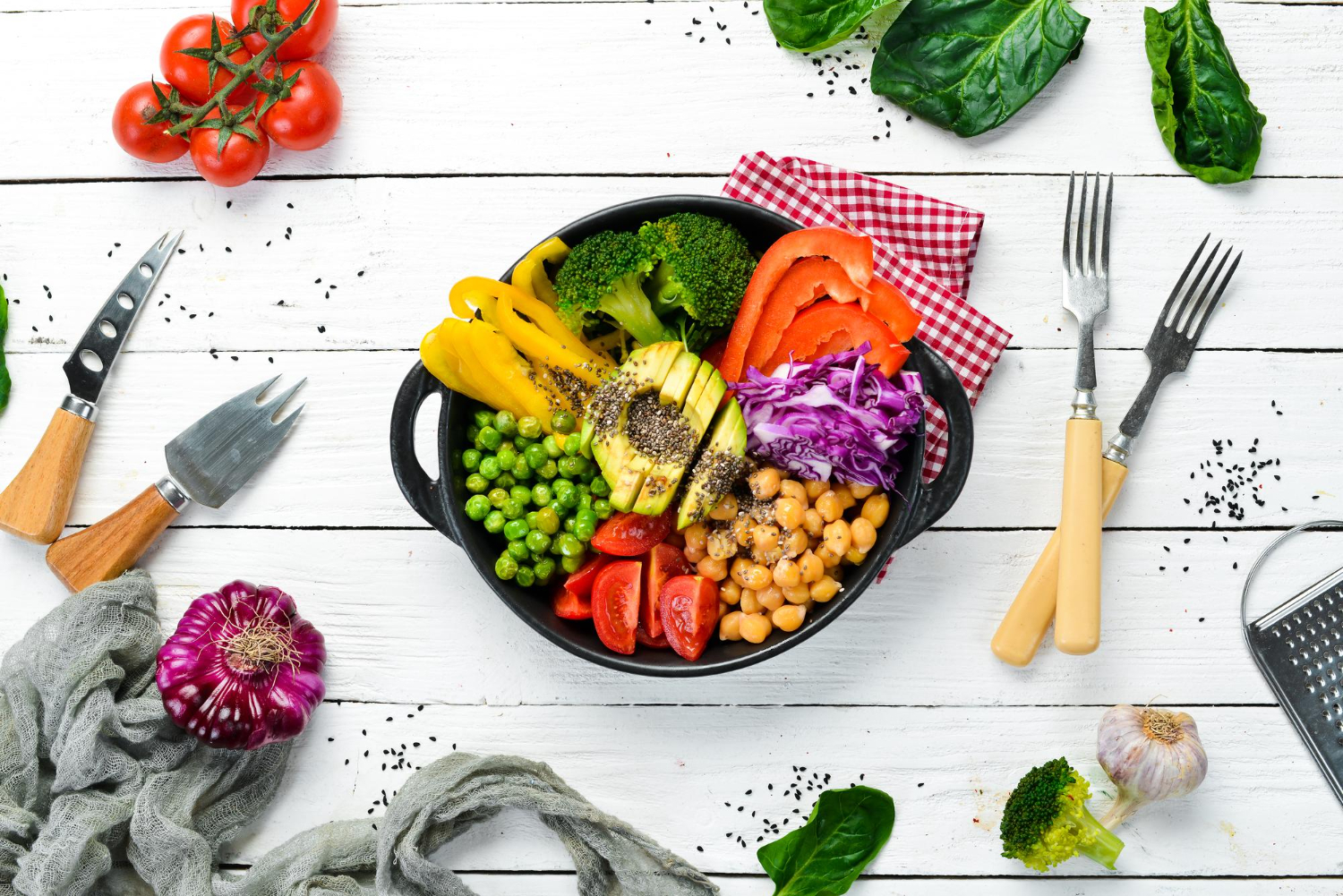
The global interest in high-protein diets has surged, driven by their perceived benefits in muscle development, weight management, and overall health. However, excessive protein consumption, particularly from animal sources, poses health risks. While adequate protein is essential for numerous physiological functions, surpassing recommended levels can lead to metabolic strain, organ dysfunction, and increased disease risks(A word of caution again…)(Dietary intake of total…).
Historical Context: Understanding Protein Recommendations
Protein's role in human nutrition has been well-documented. The Recommended Dietary Allowance (RDA) is set at 0.8 g/kg of body weight for adults. Yet, many individuals, particularly in developed countries, consume far beyond this threshold(Adverse Effects Associa…)(Dietary protein intake …). Early studies highlighted both benefits and risks, such as protein's impact on bone health and calcium balance(Dietary Protein Intake …).
Recent Advances: Insights from Modern Research
-
Mortality Risks:
Studies, including a meta-analysis in BMJ (2020), show that higher animal protein intake is linked to increased all-cause and cardiovascular mortality. Conversely, plant protein has protective effects(Dietary intake of total…)(Dietary protein intake …).
The Rotterdam Study confirms these findings, emphasizing the harmful effects of excessive animal protein(Dietary protein intake …).
-
Kidney Function:
Chronic high protein intake, especially from animal sources, burdens renal function, as seen in patients with chronic kidney disease (CKD). Plant proteins are associated with less phosphorus absorption, offering a kidney-friendly alternative(The Impact of Protein T…)(The Obsession with High…).
-
Bone Health:
A systematic review (2017) found mixed results regarding high protein intake and bone density. While moderate protein supports bone health, excessive levels may increase calcium excretion, heightening osteoporosis risk(Dietary Protein Intake …).
-
Cancer and Oxidative Stress:
Protein oxidation, a less-discussed consequence, contributes to oxidative stress and inflammatory diseases. High-protein diets, particularly processed meats, exacerbate this issue(Dietary Protein Oxidati…).
-
Stroke and Cardiovascular Risk:
Research links high protein, especially from animals, to stroke risk reduction under certain conditions but warns of potential cardiovascular risks due to associated fats and cholesterol(Dietary protein intake …).

Misconceptions About Protein
Muscle Gain: Beyond a certain intake, additional protein does not enhance muscle growth. Excessive amounts are stored as fat or excreted(Adverse Effects Associa…)(A word of caution again…).
Weight Management: While protein can aid satiety, overconsumption can lead to calorie surplus and obesity(protein Intake and risk…).
Practical Tips: Healthy Protein Consumption
-
Diversify Protein Sources:
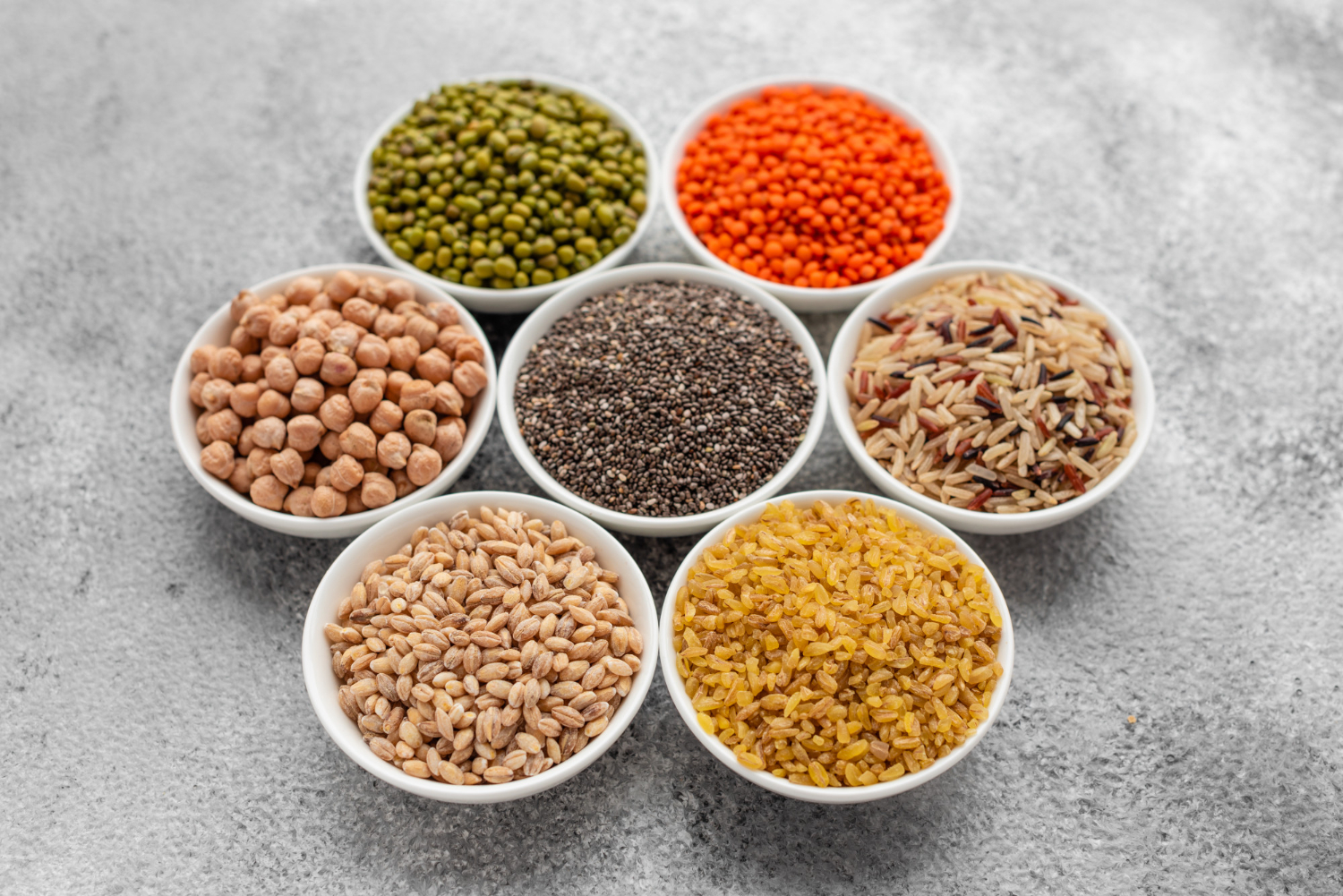
Prioritize plant-based proteins like legumes, nuts, and grains for their added fiber and antioxidants.
Limit red and processed meats.
-
Portion Control:
Aim for 10-35% of daily calories from protein, as recommended by dietary guidelines(A word of caution again…)(Adverse Effects Associa…).
-
Monitor Special Populations:
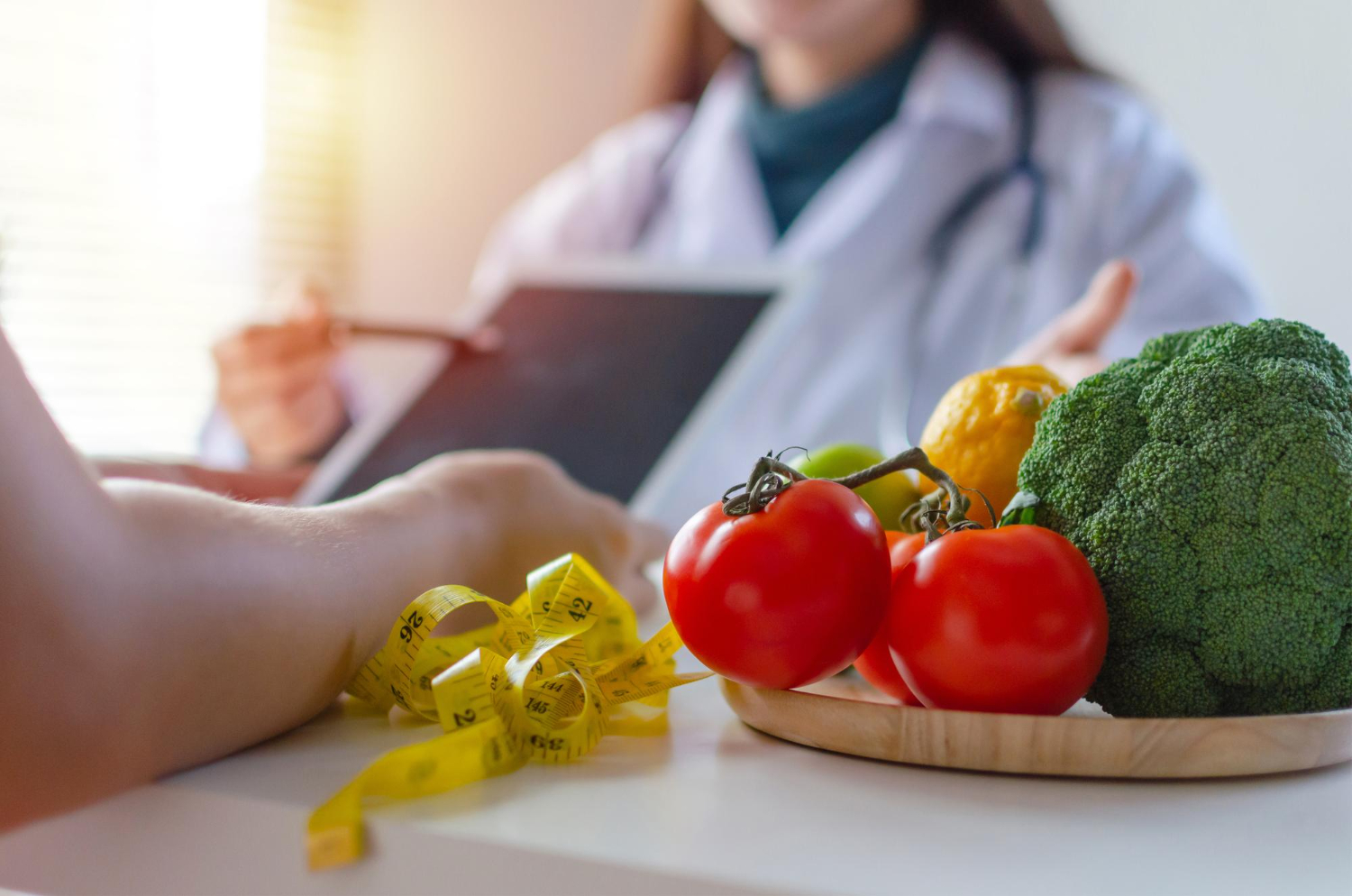
Individuals with CKD, osteoporosis, or cardiovascular risks should consult healthcare providers before altering protein intake(The Impact of Protein T…)(The Obsession with High…).
Future Directions in Research
Emerging studies should explore:
Long-term impacts of plant versus animal proteins on diverse populations.
Effects of protein on aging, neurodegenerative diseases, and metabolic syndromes.
Conclusion: Balance Is Key
Excess protein consumption, while widely promoted, carries significant health risks. Emphasizing balance and diversity in protein sources can mitigate these risks while maintaining the benefits. Adopting a predominantly plant-based approach aligns with both health and environmental goals(Dietary intake of total…)(Dietary Protein Oxidati…).
References
Chen, Z., Glisic, M., Song, M., Aliahmad, H. A., Zhang, X., Moumdjian, A. C., ... & Voortman, T. (2020). Dietary protein intake and all-cause and cause-specific mortality: Results from the Rotterdam Study and a meta-analysis of prospective cohort studies. European Journal of Epidemiology, 35(4), 411–429. https://doi.org/10.1007/s10654-020-00607-6:contentReference[oaicite:0]{index=0}.
Delimaris, I. (2013). Adverse effects associated with protein intake above the recommended dietary allowance for adults. ISRN Nutrition, 2013, Article ID 126929. https://doi.org/10.5402/2013/126929:contentReference[oaicite:1]{index=1}.
Estévez, M., & Luna, C. (2016). Dietary protein oxidation: A silent threat to human health? Critical Reviews in Food Science and Nutrition.
:contentReference[oaicite:2]{index=2}.Larsson, S. C., Virtamo, J., & Wolk, A. (2012). Dietary protein intake and risk of stroke in women. Atherosclerosis, 224(2), 247–251. https://doi.org/10.1016/j.atherosclerosis.2012.07.009:contentReference[oaicite:3]{index=3}.
Mittendorfer, B., Klein, S., & Fontana, L. (2019). A word of caution against excessive protein intake. Nature Reviews Endocrinology, 15(9), 535–544. https://doi.org/10.1038/s41574-019-0228-7:contentReference[oaicite:4]{index=4}.
Naghshi, S., Sadeghi, O., Willett, W. C., & Esmaillzadeh, A. (2020). Dietary intake of total, animal, and plant proteins and risk of all-cause, cardiovascular, and cancer mortality: Systematic review and dose-response meta-analysis of prospective cohort studies. BMJ, 370, m2412. https://doi.org/10.1136/bmj.m2412:contentReference[oaicite:5]{index=5}.
Picard, K., Mager, D. R., & Richard, C. (2021). The impact of protein type on phosphorus intake, serum phosphate concentrations, and nutrition status in adults with chronic kidney disease: A critical review. Advances in Nutrition, 12(6), 2099–2111. https://doi.org/10.1093/advances/nmab062:contentReference[oaicite:6]{index=6}.
Uribarri, J. (2000). The obsession with high dietary protein intake in ESRD patients on dialysis: Is it justified? Nephron, 86(2), 105–108.
:contentReference[oaicite:7]{index=7}.Wallace, T. C., & Frankenfeld, C. L. (2017). Dietary protein intake above the current RDA and bone health: A systematic review and meta-analysis. Journal of the American College of Nutrition, 36(6), 481–496.
:contentReference[oaicite:8]{index=8}.Arnesen, E. K., Thorisdottir, B., Lamberg-Allardt, C., Bärebring, L., Nwaru, B., Dierkes, J., ... & Åkesson, A. (2022). Protein intake in children and growth and risk of overweight or obesity: A systematic review and meta-analysis. Food & Nutrition Research, 66, Article ID 8242. https://doi.org/10.29219/fnr.v66.8242:contentReference[oaicite:9]{index=9}.