- Dec 27, 2024
Eggs, Cholesterol, TMAO, and Health Outcomes
- Jordan Coughlin
- 0 comments
Eggs, Cholesterol, TMAO, and Health Outcomes
Introduction
Eggs are among the most debated foods in the nutrition world. While nutrient-dense and economical, their cholesterol content raises concerns about their impact on cardiovascular health and other metabolic outcomes. This blog delves into the latest research on egg consumption, cholesterol, trimethylamine-N-oxide (TMAO), and associated health outcomes, highlighting evidence-based insights and practical recommendations.

The Role of Dietary Cholesterol and Eggs
Egg yolks are rich in cholesterol, with one large egg containing approximately 186–230 mg. Dietary cholesterol has long been associated with increased serum LDL cholesterol and cardiovascular disease (CVD) risk (Zhong et al., 2019; Sanlier & Üstün, 2021). Historically, guidelines recommended limiting cholesterol to less than 300 mg daily, but this restriction has since been debated (Eckel, 2019; U.S. Department of Agriculture & U.S. Department of Health and Human Services, 2020).
A seminal study found that each additional 300 mg of dietary cholesterol consumed daily was linked to a 17% increase in CVD risk and an 18% increase in all-cause mortality. Furthermore, each additional half an egg per day increased CVD risk by 6% (Zhong et al., 2019).
Insights from Recent Research
Egg Consumption and Mortality: The association between eggs and increased mortality risk is robust, even when accounting for dietary quality and co-consumed foods (Zhong et al., 2019; Spence, 2016).
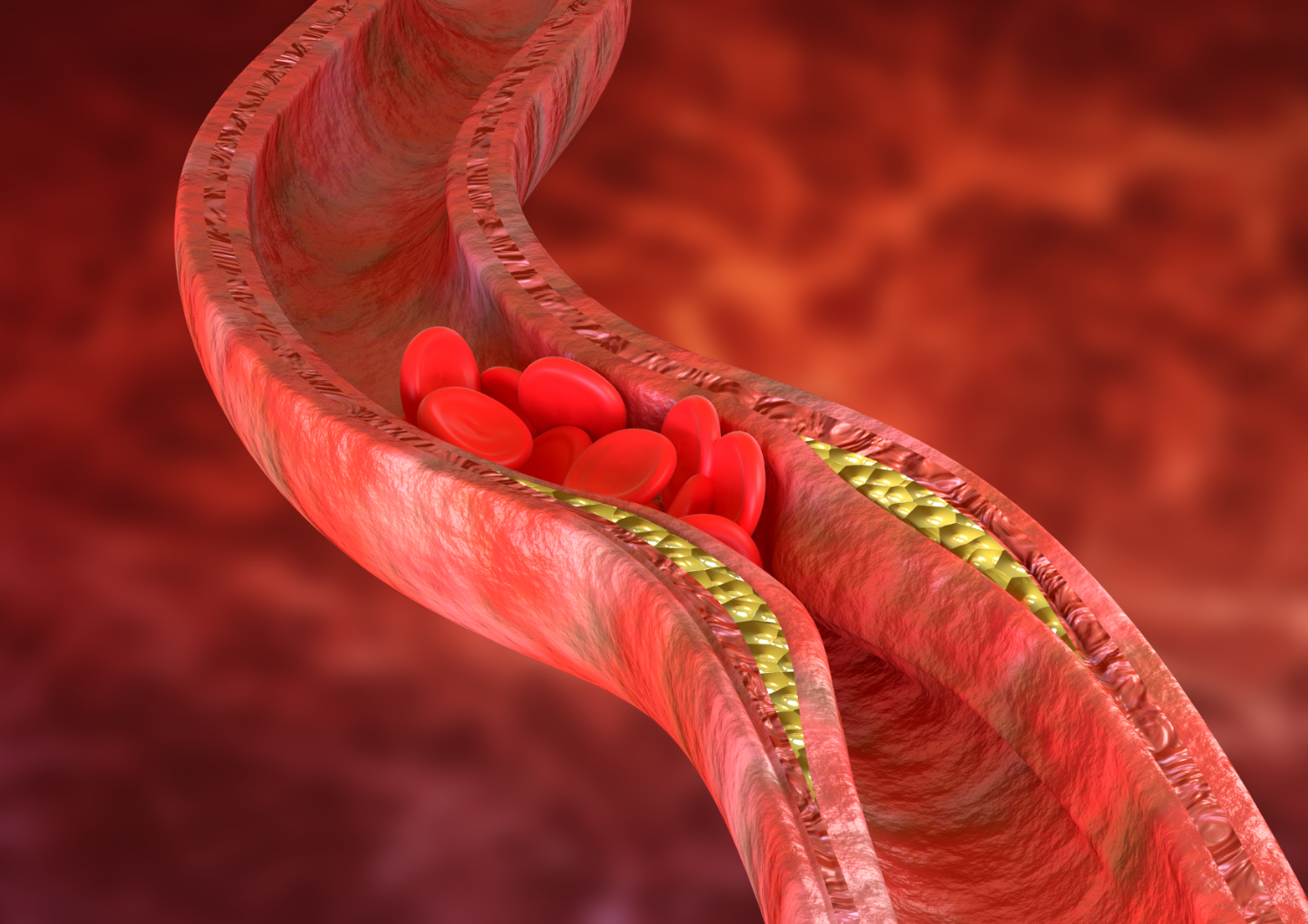
Postprandial Effects: Unlike fasting cholesterol levels, postprandial cholesterol surges after high-cholesterol meals cause arterial inflammation and oxidative stress, contributing to atherosclerosis (Spence, 2016).
TMAO and Atherosclerosis: Eggs are a primary source of phosphatidylcholine, a precursor to TMAO. High TMAO levels are strongly linked to arterial plaque formation and a 2.5-fold increased risk of heart attacks, strokes, and death (Spence, 2016; Sanlier & Üstün, 2021).
Cardiometabolic Health Outcomes: A 2019 umbrella review concluded that while eggs do not significantly affect CVD risk in healthy populations, they pose risks for individuals with diabetes or other metabolic conditions (Mah et al., 2019).
Controversies in Research: Industry-sponsored studies often downplay the risks of dietary cholesterol, complicating consensus. Nearly 49% of industry-funded studies report conclusions inconsistent with their data (Barnard et al., 2019).
Dietary Guidelines and Research Gaps: The 2020 Dietary Guidelines encourage minimal dietary cholesterol consumption, despite contradictory interpretations from prior editions (U.S. Department of Agriculture & U.S. Department of Health and Human Services, 2020).

Balancing Benefits and Risks
Some studies suggest eggs may increase HDL cholesterol and reduce inflammation (Sanlier & Üstün, 2021). However, the potential benefits must be weighed against their cholesterol and TMAO risks, especially for at-risk populations (Spence, 2016).
Practical Recommendations
For General Populations: Limit egg consumption to 2–3 per week, particularly if you have risk factors for CVD or diabetes.
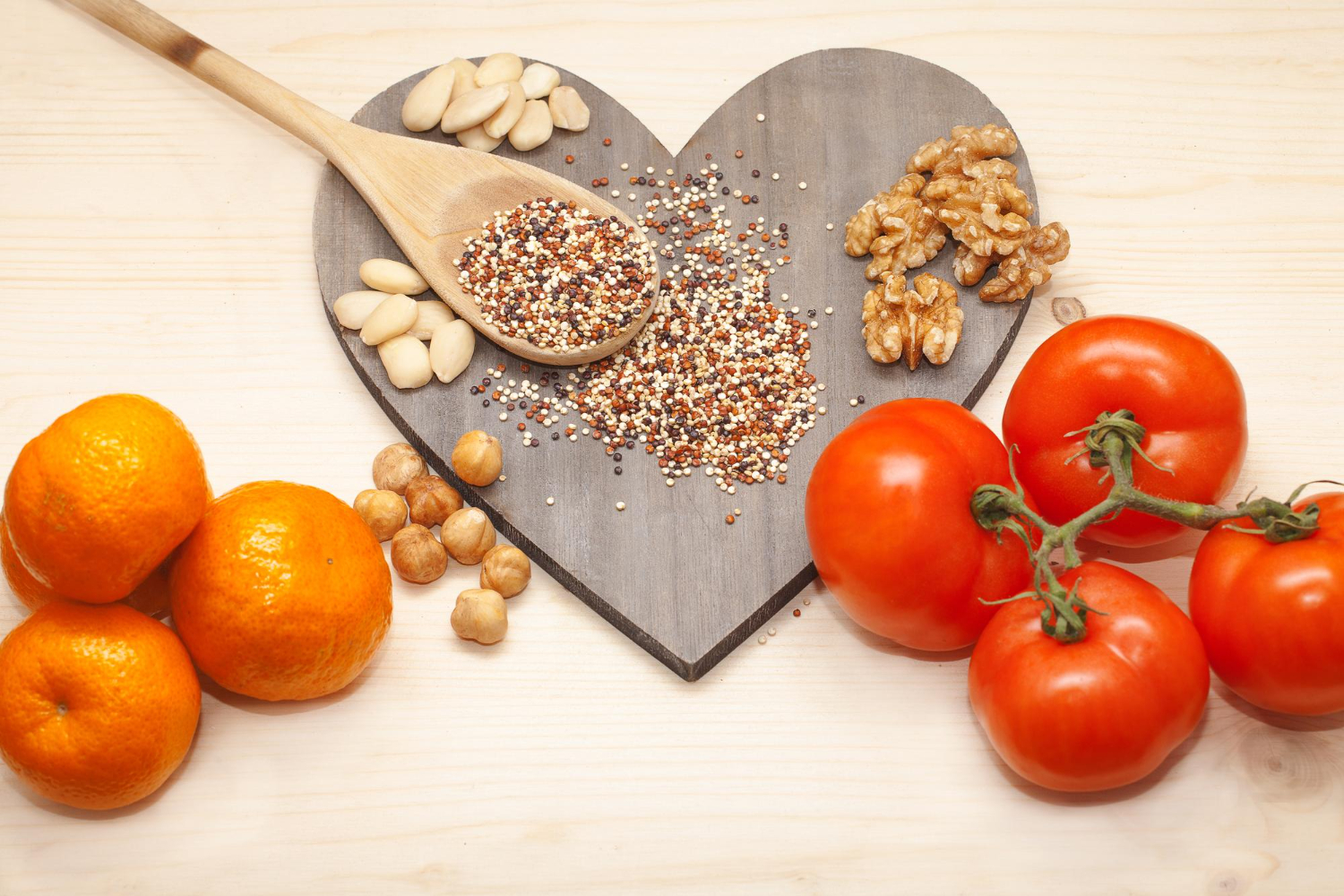
For High-Risk Individuals: Focus on plant-based protein alternatives such as legumes, nuts, and seeds to maintain nutrient intake while avoiding cholesterol-rich foods (Patel et al., 2017; Barnard et al., 2019).
Whole Diet Focus: Prioritize a diet rich in fiber, fruits, vegetables, and whole grains, which has been shown to reduce LDL cholesterol and improve overall cardiovascular health (Patel et al., 2017; De Vries & De Boer, 2010).

Conclusion
The relationship between eggs, cholesterol, and health outcomes is complex, influenced by individual health status, dietary patterns, and research biases. While eggs can be part of a balanced diet, moderation and dietary context are crucial. For individuals at risk of CVD, limiting egg and cholesterol intake remains a prudent approach.
References
Barnard, N. D., Long, M. B., Ferguson, J. M., Flores, R., & Kahleova, H. (2019). Industry funding and cholesterol research: A systematic review. American Journal of Lifestyle Medicine. https://doi.org/10.1177/1559827619892198
De Vries, M., & De Boer, I. J. M. (2010). Comparing environmental impacts for livestock products: A review of life cycle assessments. Livestock Science, 128(1–2), 1–11. https://doi.org/10.1016/j.livsci.2009.11.007
Eckel, R. H. (2019). Reconsidering the importance of the association of egg consumption and dietary cholesterol with cardiovascular disease risk. JAMA, 321(11), 1081–1095.
Mah, E., Chen, C.-Y. O., & Liska, D. J. (2019). The effect of egg consumption on cardiometabolic health outcomes: An umbrella review. Public Health Nutrition, 23(5), 935–955. https://doi.org/10.1017/S1368980019002441
Patel, H., Chandra, S., Alexander, S., Soble, J., & Williams, K. A. (2017). Plant-based nutrition: An essential component of cardiovascular disease prevention and management. Current Cardiology Reports, 19(104). https://doi.org/10.1007/s11886-017-0909-z
Sanlier, N., & Üstün, D. (2021). Egg consumption and health effects: A narrative review. Journal of Food Science, 86, 4250–4261. https://doi.org/10.1111/1750-3841.15892
Spence, J. D. (2016). Dietary cholesterol and egg yolk should be avoided by patients at risk of vascular disease. Journal of Translational Internal Medicine, 4(1), 20–22.
U.S. Department of Agriculture & U.S. Department of Health and Human Services. (2020). Dietary Guidelines for Americans, 2020–2025. DietaryGuidelines.gov.
Zhong, V. W., Van Horn, L., Cornelis, M. C., Wilkins, J. T., Ning, H., Carnethon, M. R., Greenland, P., Zhao, L., Lloyd-Jones, D. M., & Allen, N. B. (2019). Associations of dietary cholesterol or egg consumption with incident cardiovascular disease and mortality. JAMA, 321(11), 1081–1095.
Abbasi, J. (2019). Study puts eggs and dietary cholesterol back on the radar. JAMA, 321(11), 1055–1057.