- Dec 24, 2024
Chicken: Wingin' It Through Health Concerns and Alternatives
- Jordan Coughlin
- 0 comments
Introduction
In recent years, the health implications of meat consumption have become a central topic in nutrition and public health discussions. With increasing global meat consumption and evolving dietary preferences, understanding the health outcomes associated with different types of meat is essential. This blog explores the impacts of meat consumption on human health, highlighting key concerns, benefits, and emerging alternatives. Drawing on scientific evidence, we aim to provide a balanced perspective to guide informed dietary choices.
Historical and Contextual Background
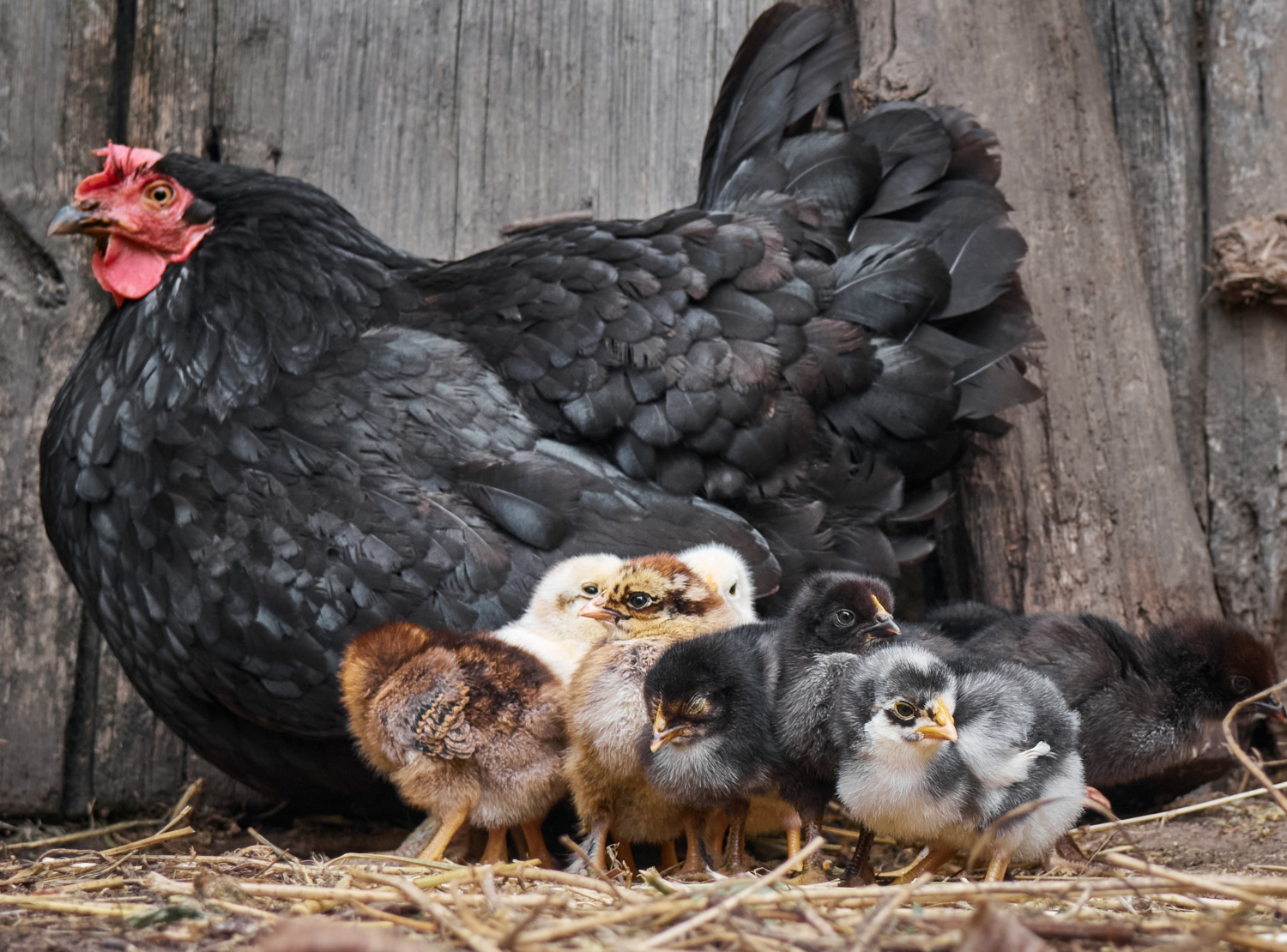
Humans are apes and have consumed plants long before developing a penchant for meat. Our ancestors were obligate consumers, eating whatever they could to survive. Today, we have the privilege of selectivity, armed with tools of scientific inquiry and over a century of data to determine what is optimal for human consumption. While meat may offer a rich source of protein, vitamins, and minerals, it is not necessarily the best source. The modern meat industry, driven by demand and intensive practices, raises significant health and sustainability concerns (Connolly & Campbell, 2023).

Health Benefits of White Meat Consumption
Nutritional Value
While meat, particularly lean cuts of poultry, provides nutrients like protein, B-vitamins, iron, and zinc, all of these can be obtained from plant-based sources. Plants also offer the added benefits of fiber and phytonutrients, without the burdens of saturated fat, cholesterol, drug residues, feces, or tumors commonly associated with meat (Arora et al., 2023).
Cardiovascular and Metabolic Health
Moderate consumption of unprocessed poultry has shown either neutral or beneficial effects on cardiovascular health and type 2 diabetes mellitus risk (Connolly & Campbell, 2023). A meta-analysis indicated a slight reduction in all-cause mortality associated with white meat consumption compared to red meat (Lupoli et al., 2021).

Health Risks and Concerns
Bacterial Contaminants
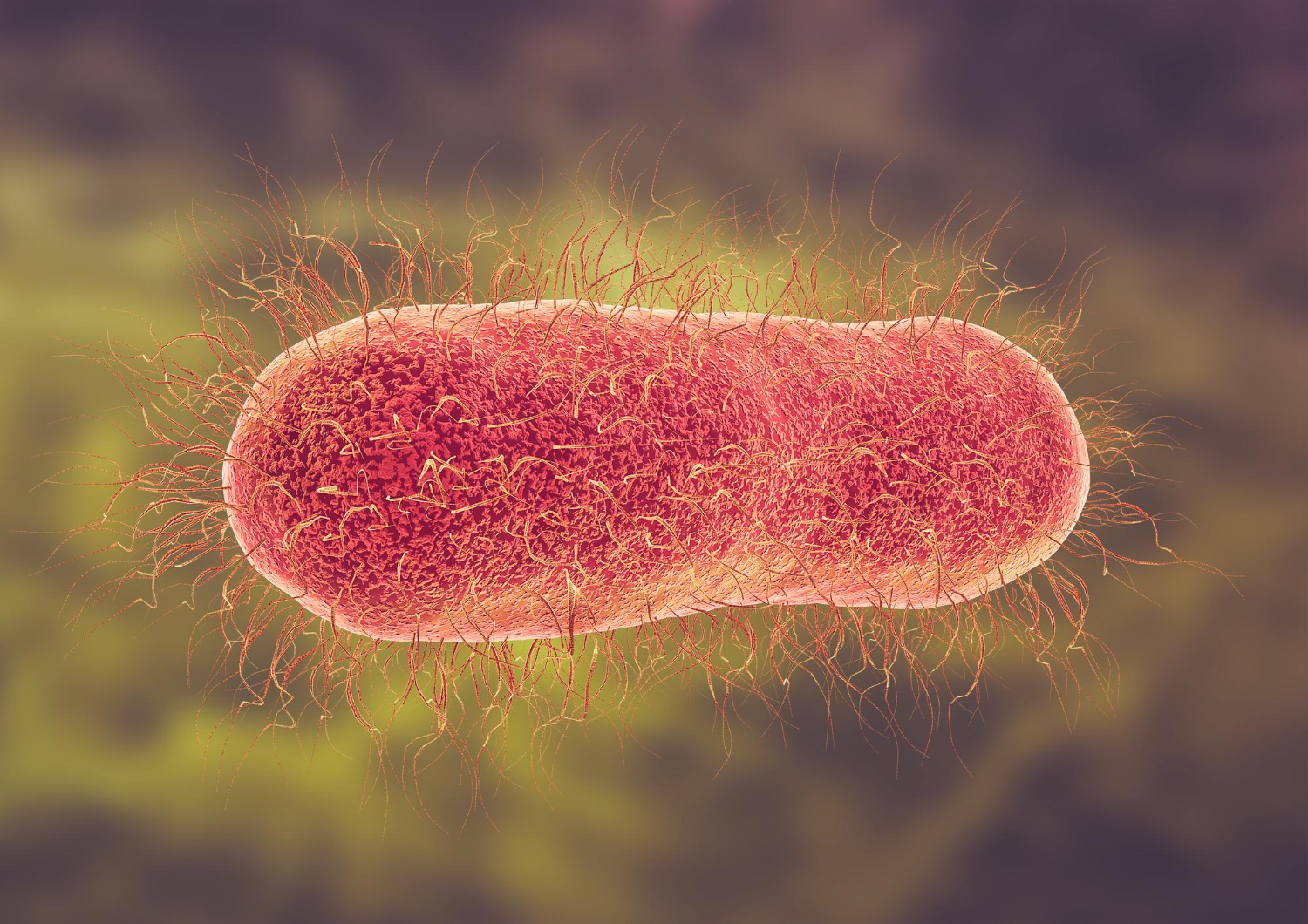
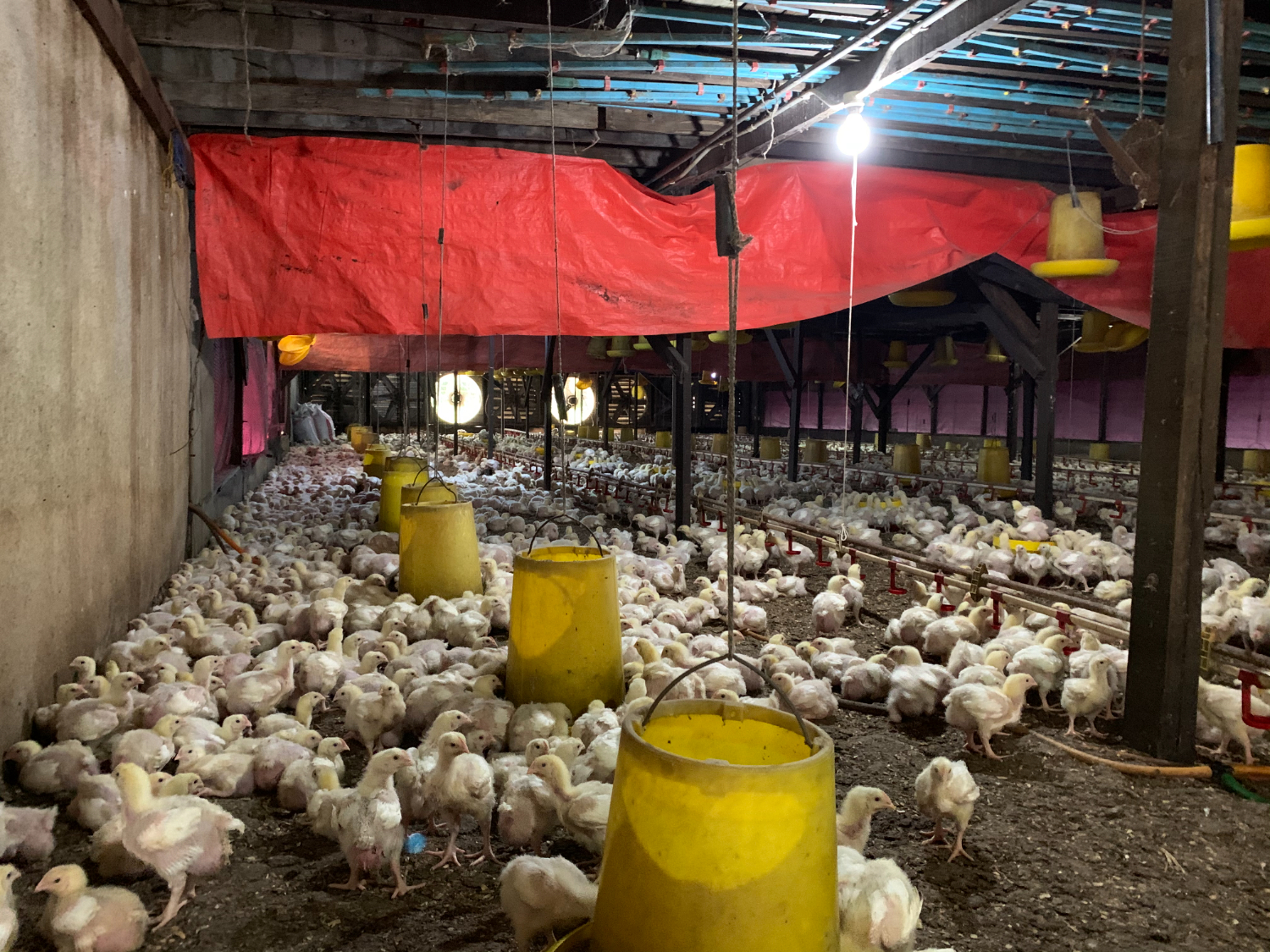
Bacterial contamination is a significant concern in poultry meat. Pathogens such as Salmonella and Campylobacter are common in chicken products and are leading causes of foodborne illnesses globally (Wessels et al., 2021). The increased demand for poultry has intensified these risks due to high-density farming conditions (Rouger et al., 2017).

Chemical Contaminants
Chemical residues, including pesticides, antibiotics, and heavy metals, have been detected in meat products. These contaminants can have carcinogenic, teratogenic, and endocrine-disrupting effects, raising public health concerns (Filazi et al., 2017). For instance, poultry manure used as fertilizer can transfer potentially toxic elements to crops, posing risks to human health (Muhammad et al., 2020).

Antibiotic Resistance
The misuse of antibiotics in poultry farming has led to the emergence of antibiotic-resistant bacteria, a growing global health crisis. Studies show that resistant strains can spread from farms to the surrounding environment, exacerbating public health challenges (Bhushan et al., 2017).
Cardiovascular Disease and Mortality
While white meat is generally considered healthier than red meat, processed poultry products may contribute to cardiovascular disease and other chronic conditions due to high sodium and saturated fat content (Connolly et al., 2022). More research is needed to delineate these risks.

Environmental and Ethical Concerns
Environmental Footprint
Intensive poultry farming contributes significantly to greenhouse gas emissions, accounting for 133.4 million tons of production globally in 2020, with notable contributions to water pollution and soil degradation. Alternatively, these essential nutrients can be obtained from plant-based sources, which forgo environmental destruction and the risks associated with antibiotic resistance (Arora et al., 2023).
Ethical Issues
The ethical implications of factory farming, including animal welfare concerns, have prompted a shift toward plant-based diets and lab-grown meat alternatives (Arora et al., 2023).
Emerging Alternatives
Plant-Based Meat Analogues
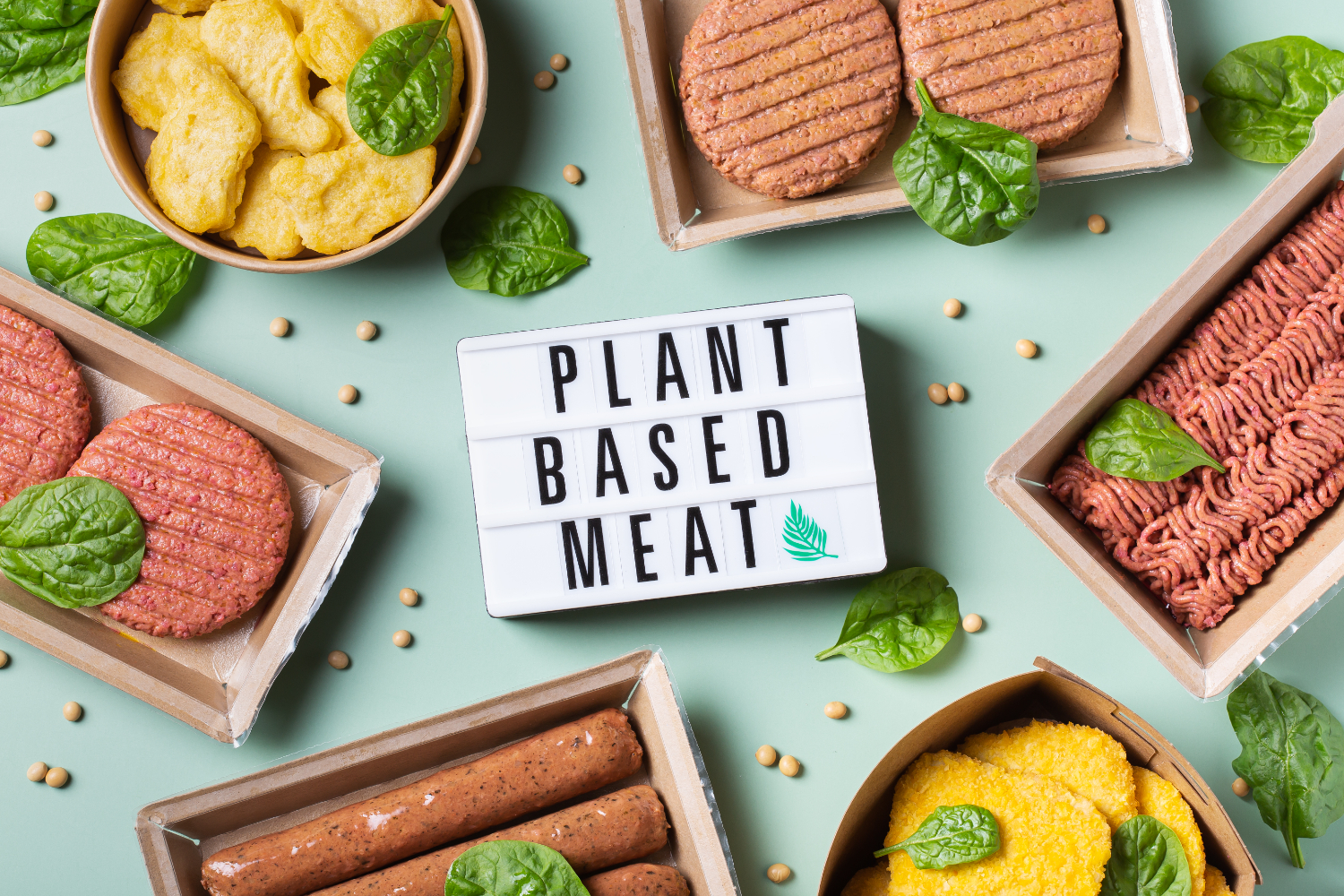
Plant-based alternatives offer a sustainable and potentially healthier option. Products made from legumes, grains, and fungi mimic the taste and texture of meat while reducing environmental impact (Arora et al., 2023).
Cultured Meat
Lab-grown meat represents a promising innovation, addressing both ethical and environmental concerns. However, consumer acceptance and cost remain significant barriers to widespread adoption (Arora et al., 2023).
Recommendations
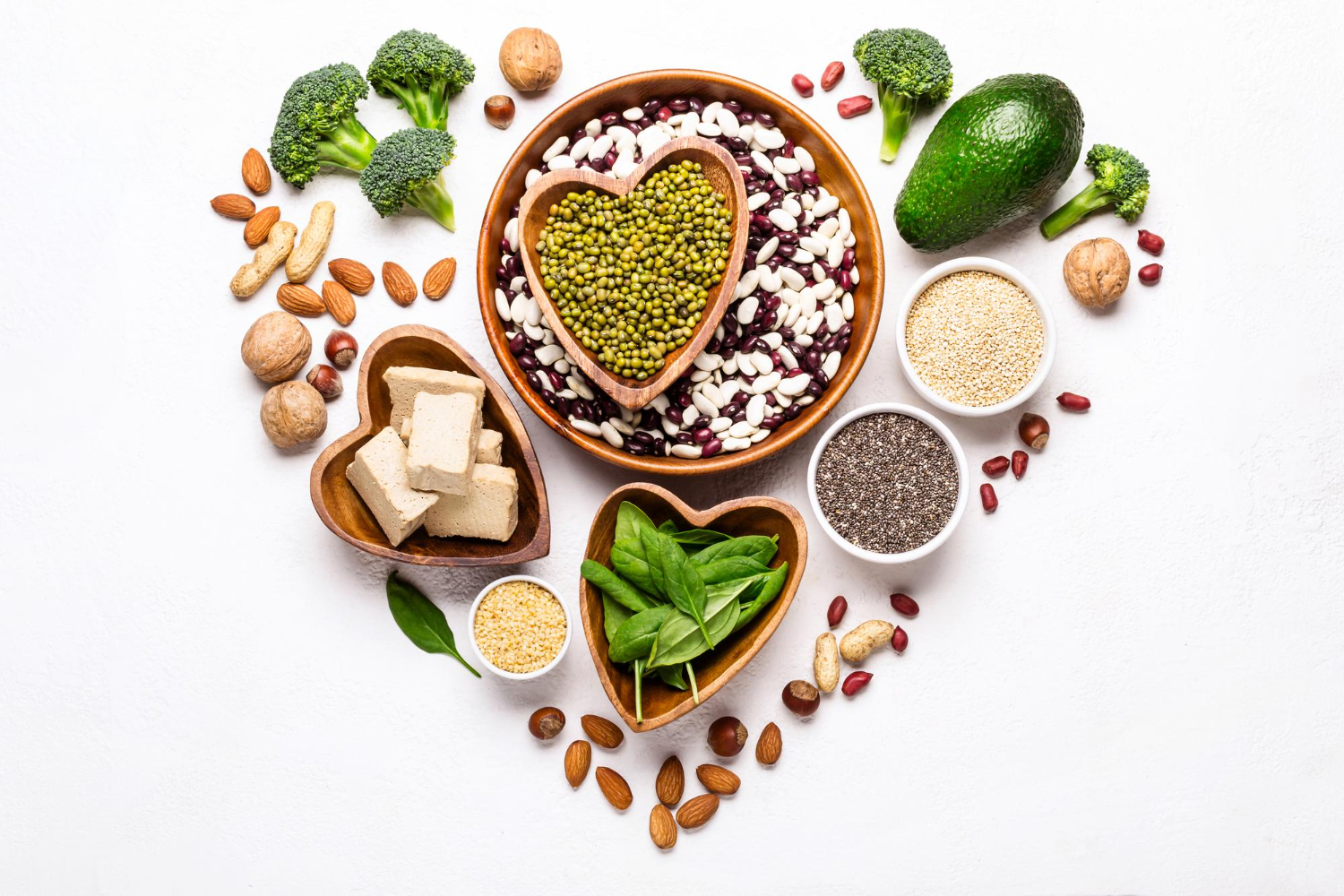
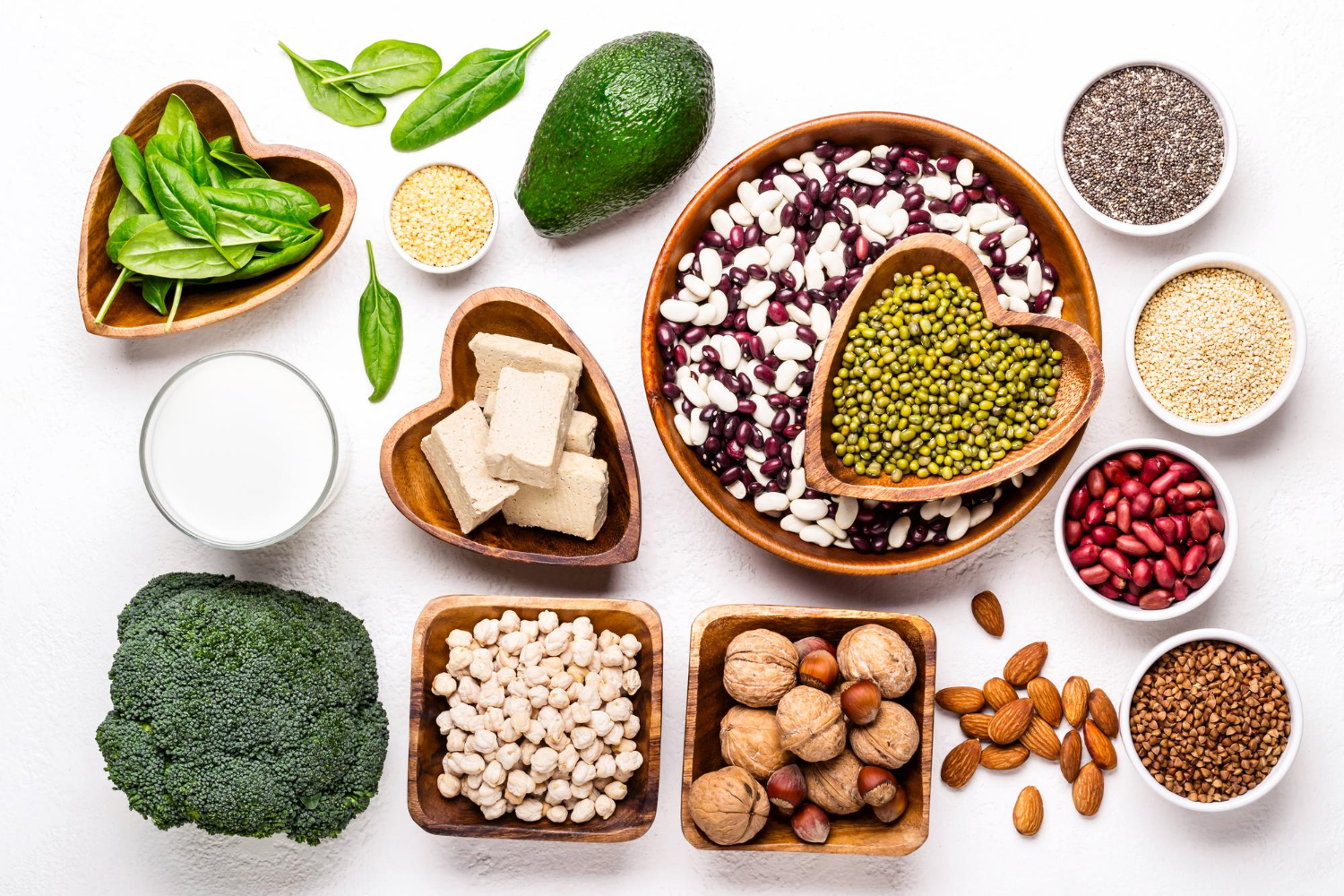
Transition to Plant-Based Diets: Focus on incorporating more plant-based proteins like legumes, nuts, seeds, and whole grains, which provide ample nutrients without the health and environmental drawbacks of meat.
Educate on Plant Nutrition: Equip individuals with knowledge about the nutritional benefits of plants, including fiber, phytonutrients, and essential vitamins and minerals.
Support Plant-Based Innovations: Encourage the adoption of plant-based meat analogues and cultured meats as sustainable and ethical alternatives.
Advocate for Policy Changes: Promote policies that incentivize plant-based diets and regulate intensive farming practices.
Conclusion
While meat has traditionally been considered a source of nutrition, its associated health and environmental risks far outweigh its benefits in the modern context. By focusing on plant-based diets, individuals can obtain all essential nutrients along with the added advantages of fiber and phytonutrients, without the burdens of saturated fat, cholesterol, and contaminants. Future research and public policies should prioritize sustainable and ethical dietary practices that support human health and environmental preservation.
References
Arora, S., et al. (2023). Comprehensive review on the role of plant protein as a possible meat analogue. ACS Omega, 8(23), 23305-23319. https://doi.org/10.1021/acsomega.3c01373
Bhushan, C., et al. (2017). Antibiotic resistance in poultry environment. Centre for Science and Environment.
Connolly, G., & Campbell, W. W. (2023). Poultry consumption and human cardiometabolic health-related outcomes. Nutrients, 15(35), 3550. https://doi.org/10.3390/nu15163550
Filazi, A., et al. (2017). Chemical contaminants in poultry meat and products. InTech. https://doi.org/10.5772/64893
Gržinić, G., et al. (2023). Intensive poultry farming: A review of the impact on the environment and human health. Science of the Total Environment, 858, 160014. https://doi.org/10.1016/j.scitotenv.2022.160014
Lupoli, R., et al. (2021). White meat consumption, all-cause mortality, and cardiovascular events. Nutrients, 13(6), 676. https://doi.org/10.3390/nu13020676
Muhammad, J., et al. (2020). Application of poultry manure in agriculture fields. Environmental Technology & Innovation, 20, 100909. https://doi.org/10.1016/j.eti.2020.100909
Rouger, A., et al. (2017). Bacterial contaminants of poultry meat. Microorganisms, 5(3), 50. https://doi.org/10.3390/microorganisms5030050
Wessels, K., et al. (2021). Salmonella in chicken meat: Current control methods and the potential of bacteriophage use. Foods, 10(8), 1742. https://doi.org/10.3390/foods10081742