- Feb 10, 2025
Carbs and Protein: The Truth About What Fuels Your Body Best
- Jordan Coughlin
- 0 comments
The Truth About Carbohydrates and Proteins: Debunking Myths and Embracing Balance
Carbohydrates and proteins are essential building blocks of life, yet they are often shrouded in confusion and controversy. Low-carb diets, high-protein fads, and conflicting health claims leave many wondering what to eat. Today, we’ll untangle the myths surrounding these macronutrients and uncover the science behind their roles in health and disease.
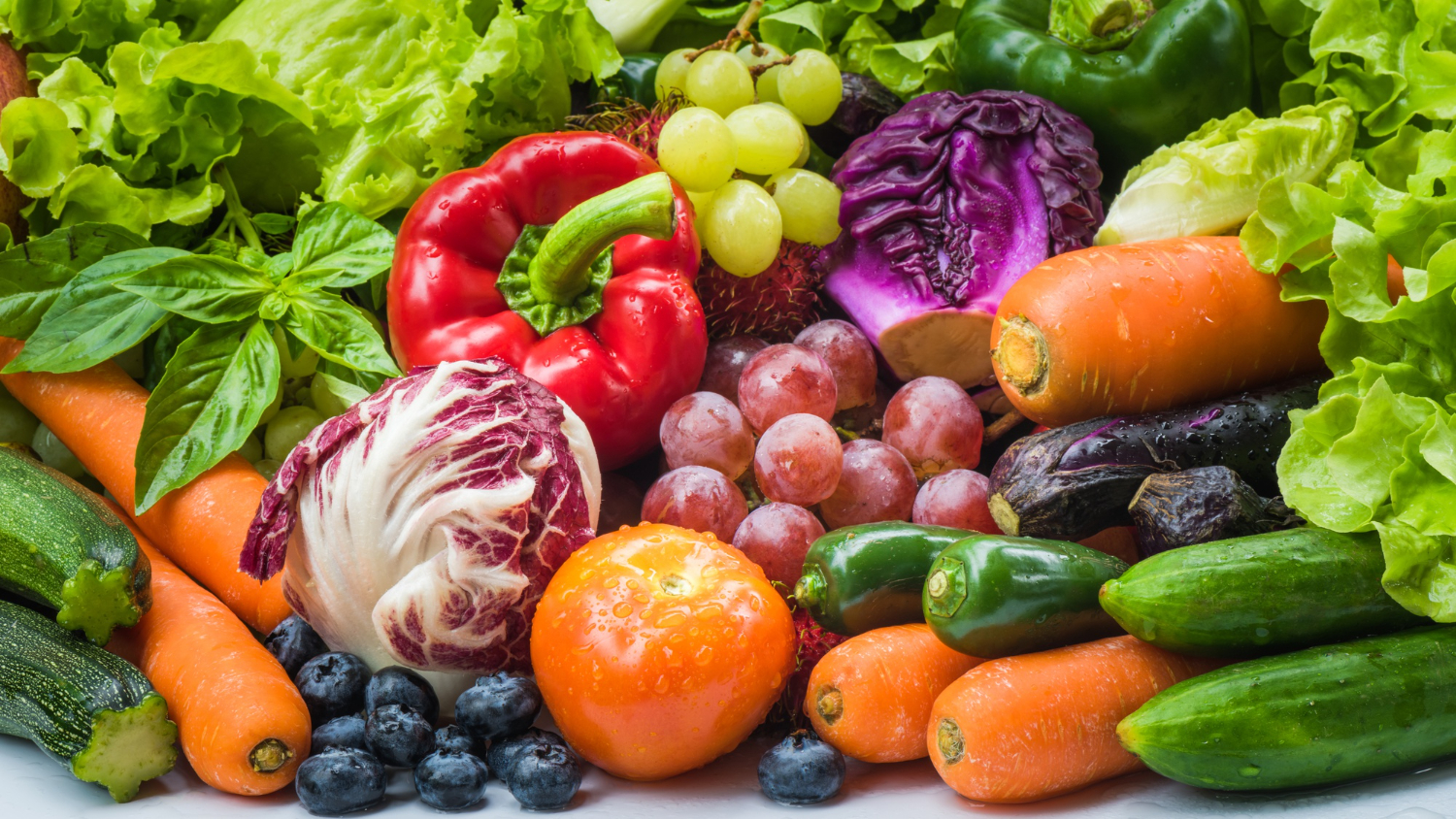
Carbohydrates: Fear, Fiber, and Facts
Carbohydrates have become one of the most misunderstood aspects of modern nutrition. The fear of carbs dates back to the mid-20th century when sugar—specifically sucrose—was linked to obesity, type 2 diabetes, and cardiovascular disease. This sparked widespread advice to cut sugar, but unfortunately, it led to the demonization of all carbs, despite their critical role in a healthy diet.
The key lies in distinguishing between harmful added sugars and beneficial complex carbohydrates. Complex carbs, such as those found in whole grains, legumes, fruits, and vegetables, are rich in fiber—a nutrient ranked among the top ten dietary factors influencing mortality worldwide. According to a 2019 study published in The Lancet, higher dietary fiber intake is associated with reduced risks of coronary heart disease, stroke, type 2 diabetes, and colorectal cancer. People consuming the most fiber had a 15–30% reduction in these conditions compared to those with low fiber intake.
Meanwhile, the "carbohydrate-insulin model" has fueled further skepticism about carbs, suggesting that high-carb diets promote weight gain by causing spikes in insulin. Yet, real-world evidence contradicts this oversimplified view. Research published in The American Journal of Clinical Nutrition highlights that high-carb diets emphasizing whole, fiber-rich foods lead to reduced cardiometabolic risk factors and sustainable weight loss.
The variability in glycemic and insulin responses to different carbohydrate-rich foods also challenges blanket statements about their effects. For example, oatmeal and pasta elicit significantly lower insulin responses than bread or potatoes, underscoring the importance of carbohydrate quality over quantity.

Protein: Beyond the Myths
Protein is often celebrated as the king of macronutrients, but its narrative is not without myths. For decades, dietary recommendations have centered on protein as a critical nutrient for strength, energy, and health. Historically, this focus led to the "World Protein Gap" theory, which argued that protein deficiency was a leading cause of malnutrition. However, groundbreaking research by Dr. Cicely Williams debunked this, showing that malnutrition in conditions like kwashiorkor was more complex than a simple lack of protein.
Today, most people consume far more protein than they need. The average protein requirement for adults is just 0.83 grams per kilogram of body weight, yet diets in developed countries often far exceed this. Moreover, studies like the Adventist Health Study-2, which analyzed the nutrient profiles of 30,000 non-vegetarians, 20,000 vegetarians, and 5,000 vegans, found that vegans and vegetarians consumed 70% more protein than required on average—all from plant sources. This challenges the myth that plant-based diets lack adequate protein.
Contrary to popular belief, plant proteins are not “incomplete.” While certain plant foods may be lower in specific amino acids, consuming a variety of whole plant foods throughout the day easily meets all amino acid requirements. Furthermore, plant-based diets are associated with lower intakes of saturated fat and cholesterol and higher intakes of protective nutrients like fiber, magnesium, and antioxidants, contributing to better health outcomes.
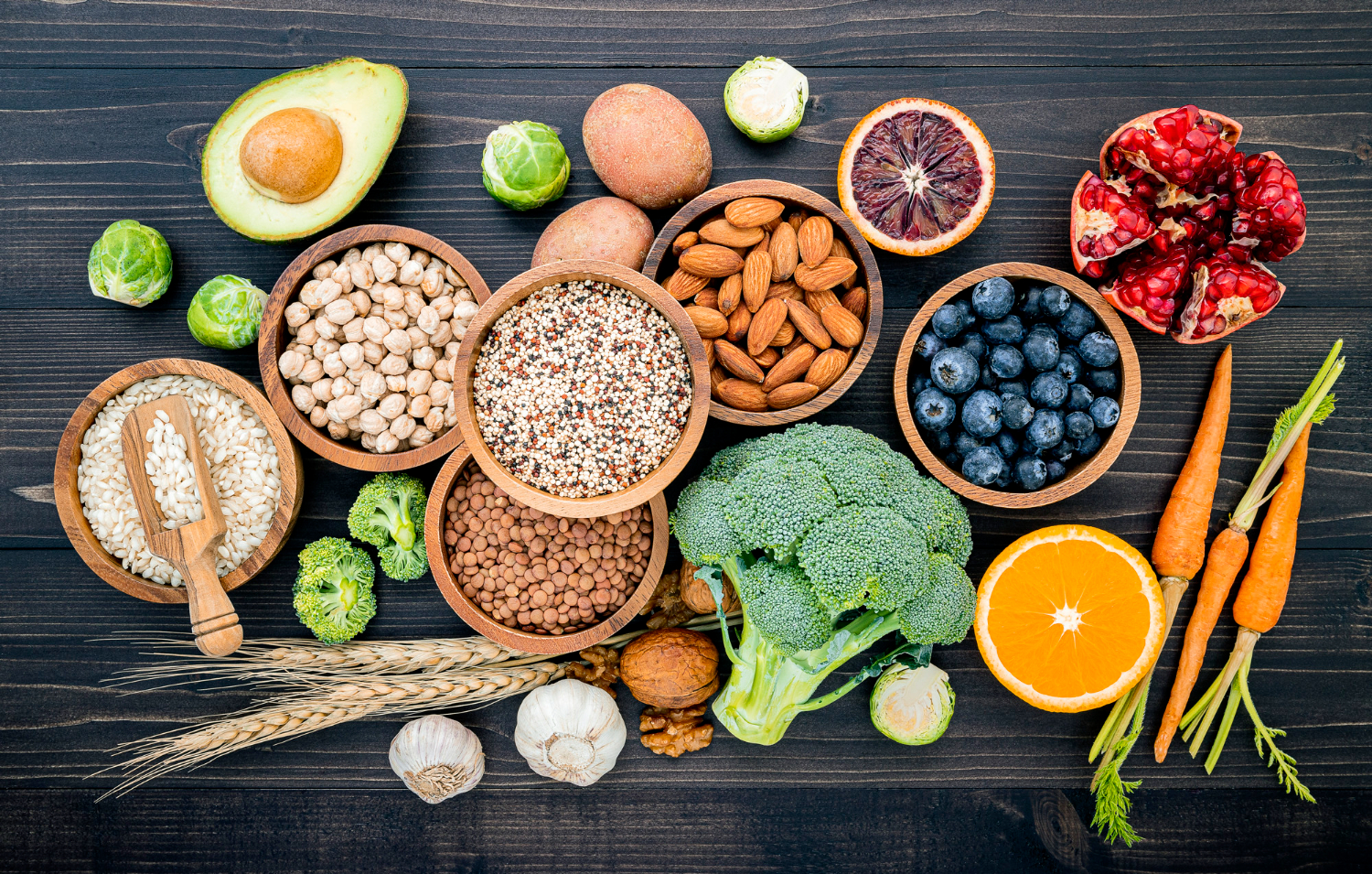
Plant-Based Nutrition: A Blueprint for Health
Transitioning to a diet rich in plant-based carbohydrates and proteins offers profound benefits for health and sustainability. A systematic review published in The BMJ found that low-carbohydrate diets, while effective for short-term weight loss, were associated with higher long-term mortality risks, particularly when they emphasized animal-based proteins and fats. Conversely, plant-based diets reduce the risk of obesity, cardiovascular disease, and certain cancers, as recognized by organizations like the World Health Organization and the Food and Agriculture Organization.
Moreover, addressing common concerns like vitamin B12 and iron deficiency is straightforward. Studies show that vegetarians and vegans who consume B12 supplements or fortified foods maintain adequate levels, while their lower intake of heme iron may actually reduce the risk of certain chronic diseases.
Fiber, too, plays a central role in plant-based diets. According to the American Gut Project, consuming 30 or more different types of plants per week correlates with greater microbial diversity in the gut, which supports immune function, mental health, and overall well-being.
The No Nonsense Nutrition Program: Your Path to Clarity
Nutrition doesn’t have to be complicated. My No Nonsense Nutrition Program distills the science into actionable steps, helping you adopt a Whole-Food Plant-Based lifestyle that aligns with your health goals. Over two weeks, you’ll learn to navigate myths, optimize your nutrient intake, and embrace balanced eating for lifelong health.
From mastering macronutrients to understanding micronutrient essentials like vitamin B12 and iron, this program equips you with the tools to make informed, sustainable choices. You’ll also gain access to meal plans, private coaching, and a supportive community to ensure your success.
Don’t let misinformation hold you back. Transform your health and discover the power of plant-based nutrition.