- Feb 4, 2025
Exploring Dietary Patterns
- Jordan Coughlin
- 0 comments

Exploring Dietary Patterns: How Food Choices Shape Health and Sustainability
Navigating today’s dietary landscape can feel like a journey through an endless buffet of options. From omnivorous diets to plant-based approaches like vegan, vegetarian, and pescatarian, each pattern impacts both personal health and the planet. Understanding these impacts helps us make informed choices that support long-term well-being and environmental sustainability.
Diets high in animal products, such as keto and paleo, typically have larger carbon footprints. In fact, shifting even one-third of omnivores to vegetarian diets could reduce greenhouse gas emissions equivalent to 340 million passenger vehicle miles per day, contributing nearly 5% toward the U.S.’s original Paris Agreement targets. In contrast, plant-focused diets tend to have significantly lower carbon emissions and are often associated with better health outcomes.
Among these, plant-based diets (PBDs) stand out for their emphasis on whole, minimally processed foods like whole grains, legumes, nuts, and seeds. This nutrient-dense approach is linked to lower risks of chronic diseases, including heart disease, cancer, and type 2 diabetes, and requires fewer resources than diets heavy in animal products. In fact, the Global Burden of Disease (GBD) study has identified poor diet as a leading cause of non-communicable diseases globally, particularly due to high sodium intake, low whole grain consumption, and inadequate fruit intake.
One popular approach within plant-based eating is the Whole Food Plant-Based (WFPB) diet, which maximizes nutrient intake by avoiding added salt, oil, or sugar and focusing on foods in their natural state. This diet is known for promoting health and longevity and supporting environmental sustainability.
The Power of Whole Grains and Legumes
Whole grains and legumes are two foundational elements of a WFPB diet, providing fiber, vitamins, and antioxidants essential for health. Despite these benefits, whole grain intake remains low in Western countries. Consuming whole grains has been consistently linked to reduced risks of chronic diseases like cardiovascular disease and certain cancers. Research shows that each additional 30 grams of whole grains per day can lower cancer mortality risk by 7%.
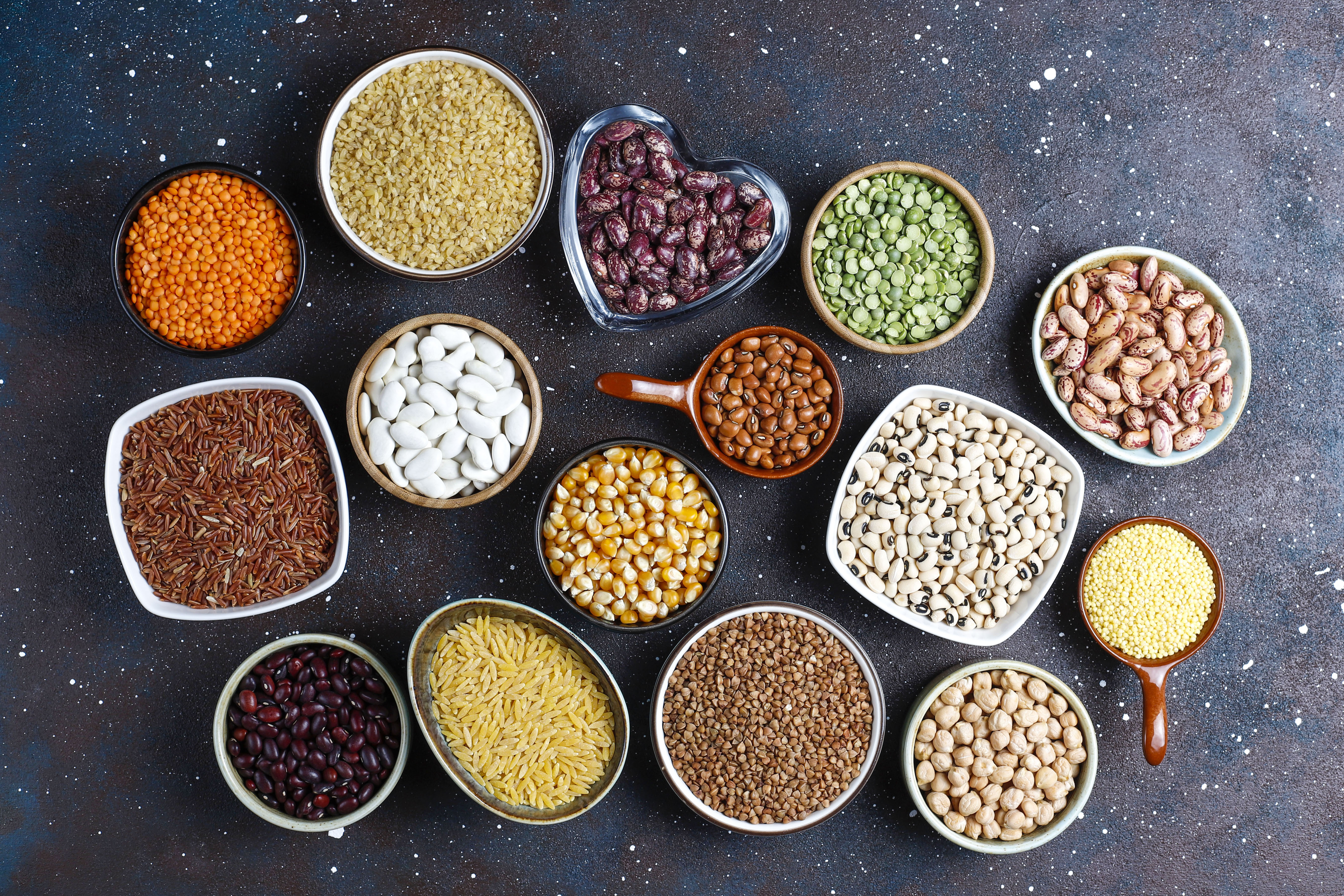
Legumes, too, offer numerous health and environmental benefits, supporting cardiovascular health, reducing the risk of type 2 diabetes, and promoting digestive health. Low in environmental impact, legumes are a sustainable crop that can thrive in diverse climates with minimal water and fertilizer. Despite these advantages, global consumption of legumes remains below recommended levels, particularly in Europe and North America, where intake averages fall far short of the 50 grams per day target.
Curious about Plant-Based Nutrition? My Course Can Save You Time and Money
If you’re interested in exploring plant-based nutrition further, investing in my comprehensive course is an excellent way to deepen your understanding without the overwhelming time and financial costs. Imagine the expense of accessing the research papers included in the course—many of which are behind paywalls. Not to mention the hundreds of hours required to sift through, read, and digest this information.

This course synthesizes the latest science into an easy-to-follow program, giving you access to expert insights and actionable guidance. With our comprehensive and intensive plans, you’ll also gain access to advanced nutrition software that isn’t available to the general public. This software offers powerful analysis tools and meal-planning resources, empowering you to make meaningful, health-boosting changes efficiently and effectively.

Whether you’re looking to make small adjustments or a complete shift, understanding plant-based eating can be a transformative step for both your health and the planet. This course is an investment in health, longevity, and sustainability that simplifies the journey to a better diet and lifestyle, saving you both time and money.
Learn more about the course HERE.